Key Takeaways
- CRM for health care must do more than store contacts: it should support follow-up, reduce no-shows and protect the patient experience.
- Generic CRMs usually break down because health care workflows are different.
- Look for the right features and favour simplicity over feature creep.
- Be honest about the trade-offs and choose without wasting months.
Introduction
A missed follow-up after a procedure is not just a dropped task. It can turn into a no-show, a bad review, a frustrated front desk, or a patient who never comes back. That is why crm for health care has to do more than store contact records. It needs to help teams communicate faster, stay organized, and protect the patient experience without adding more software chaos.
Most health care organizations do not struggle because they lack data. They struggle because the data lives in too many places. Scheduling sits in one tool, intake in another, marketing in a third, and patient communication gets split across email, text, calls, and sticky-note memory. The result is familiar: slow follow-up, inconsistent outreach, staff burnout, and revenue left on the table.
What CRM for Health Care Should Actually Solve
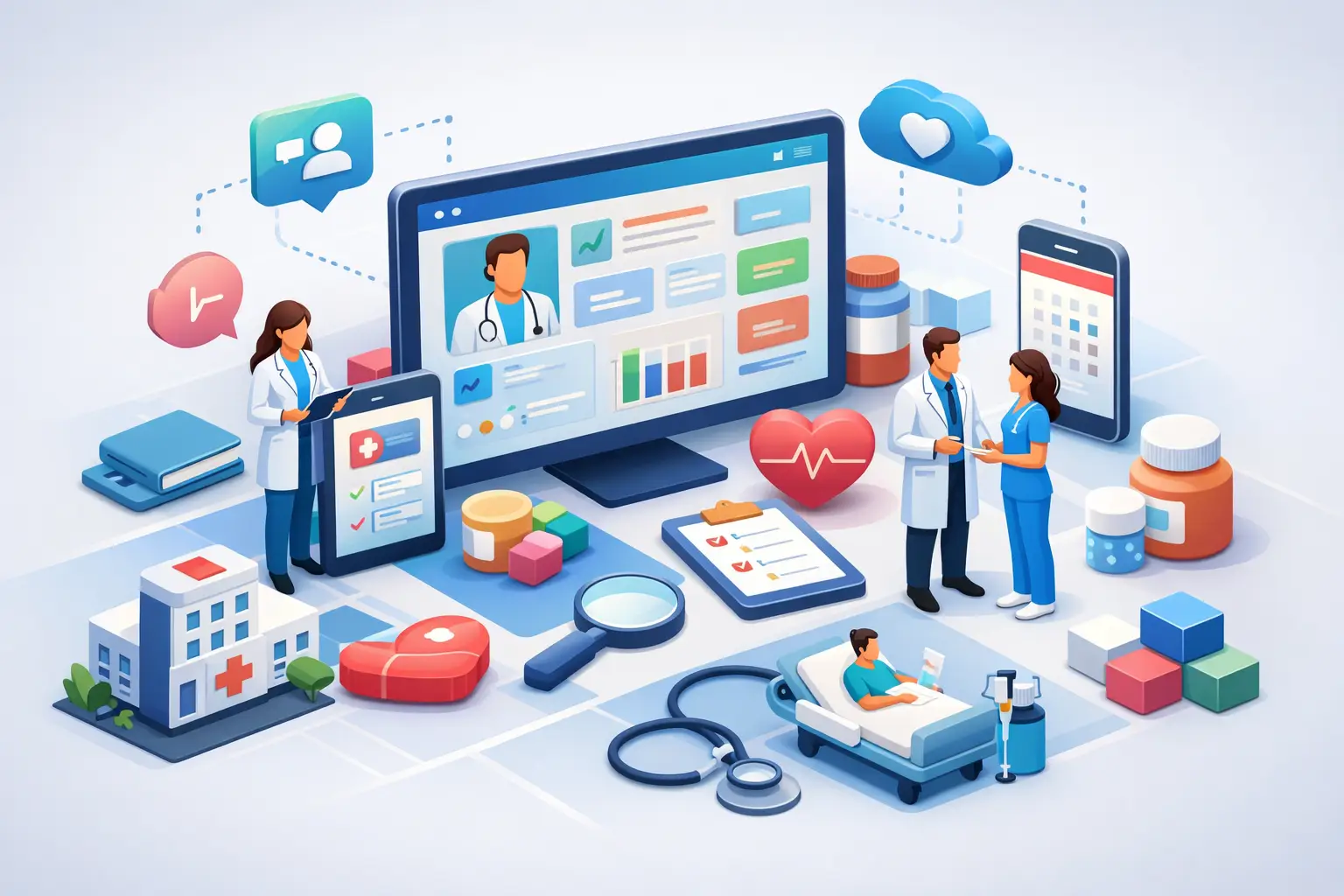
A good CRM in this space is not just a sales system with a medical label slapped on it. Health care teams use relationship management differently from retail, SaaS, or real estate. The goal is not simply to push leads through a pipeline. It is to manage patient journeys, referral relationships, appointment-driven communication, and operational follow-through in a way that feels personal and controlled.
That matters whether you run a private practice, med spa, dental office, therapy group, wellness clinic, home health agency, or a specialty provider with a high volume of inquiries. In each case, there is a version of the same problem: people need timely communication, staff need visibility, and leadership needs a clear view of what is working.
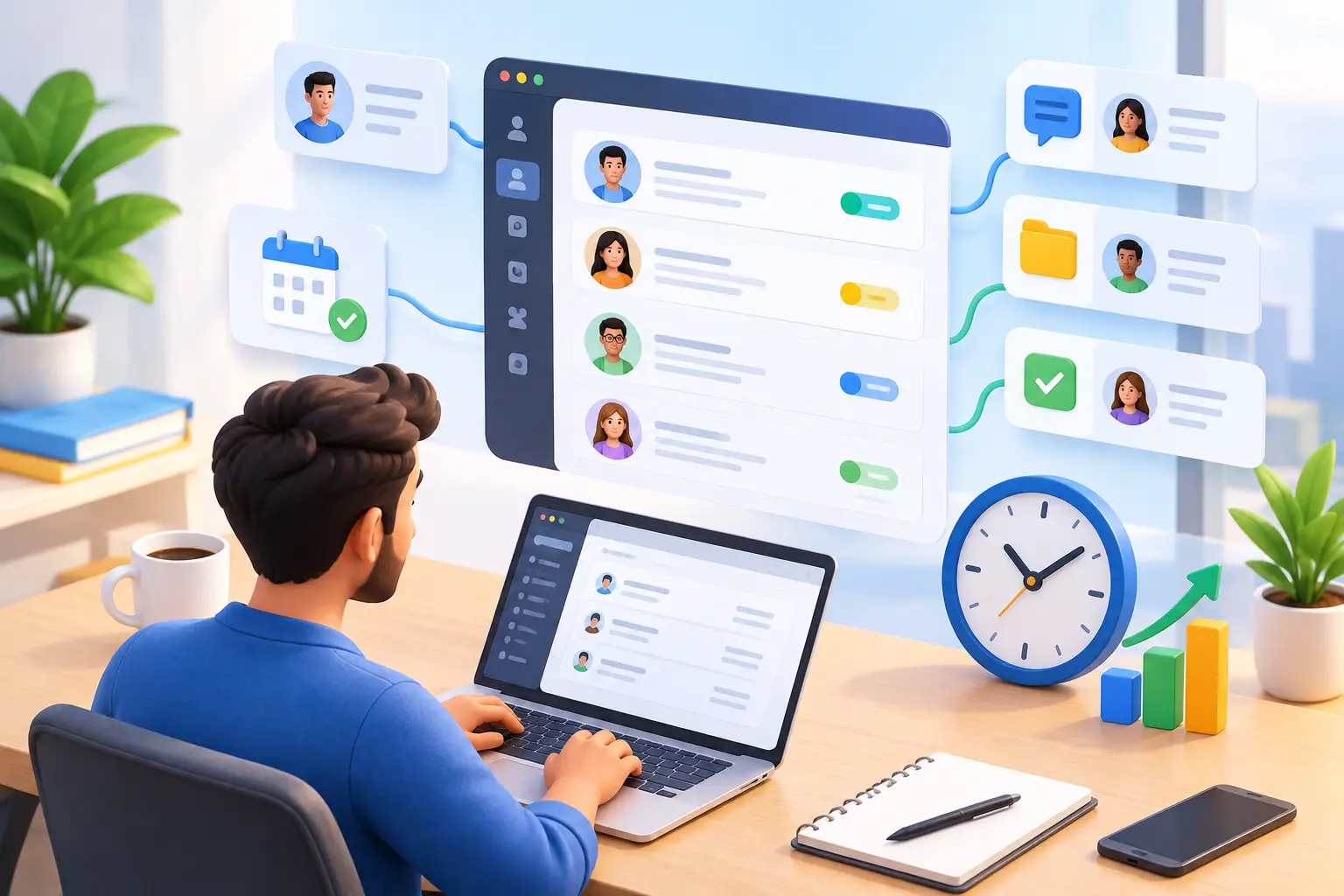
A useful system should help your team capture inquiries, respond automatically when appropriate, route contacts to the right staff member, track where each person is in the process, and trigger reminders without constant manual work. It should also support ongoing communication after the appointment, because retention matters just as much as acquisition.
Where Generic CRMs Usually Break Down
On paper, many CRMs look fine. They promise contact management, email automation, workflows, and reporting. The issue is that health care operations are appointment-heavy, communication-sensitive, and often handled by lean teams that do not have time for a complex setup.
The first breakdown happens with speed. If a potential patient fills out a form for a consultation and your office replies four hours later, that lead may already be gone. Generic systems often require too much stitching together before they can trigger an immediate response.
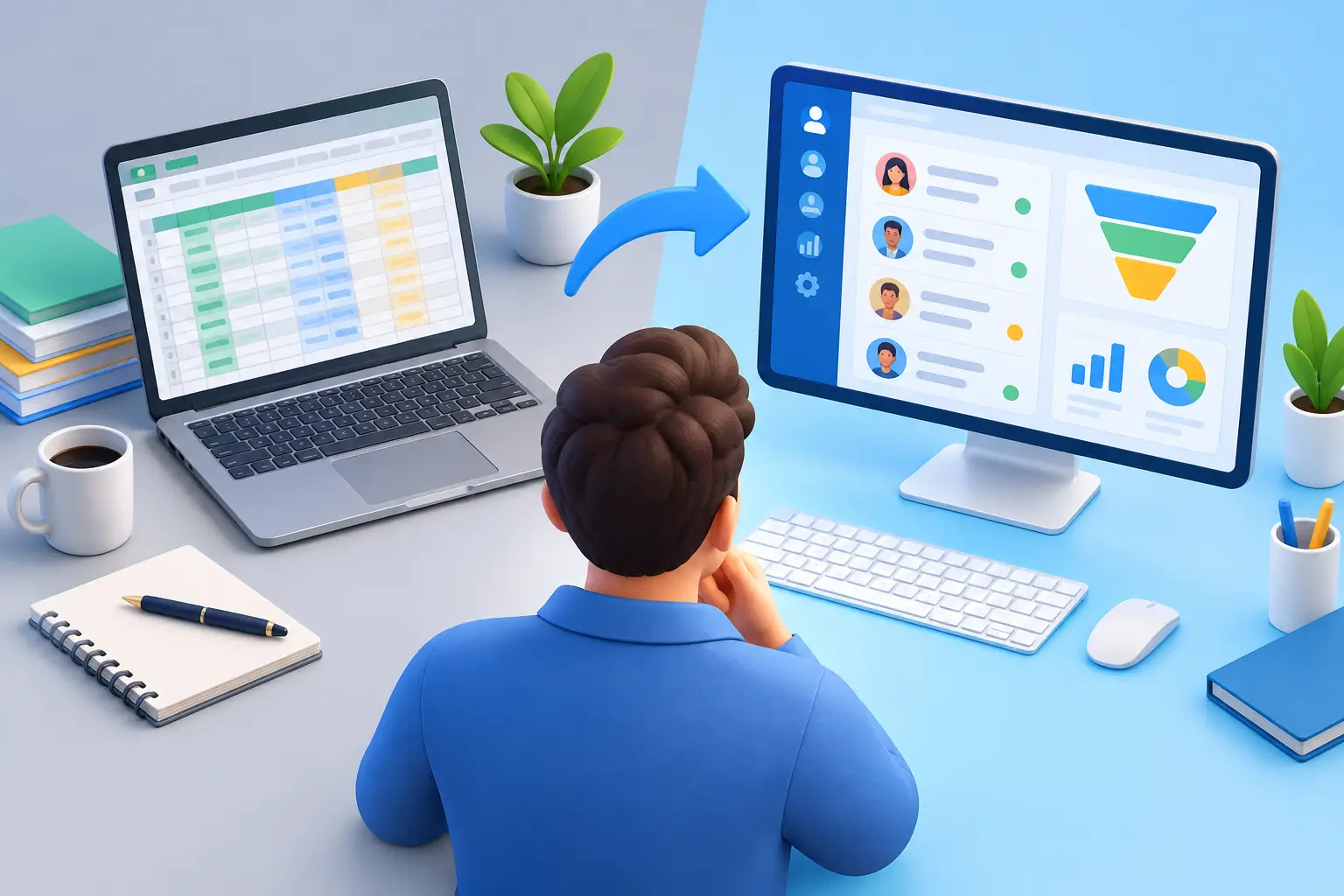
The second problem is fragmentation. A CRM might handle contacts, but booking lives elsewhere. Your marketing platform sends emails, your receptionist uses another inbox for text messages, and your website forms feed into yet another app. Every handoff adds friction.
The third issue is adoption. A platform may be powerful, but if your staff avoids it because it feels bloated or confusing, it fails. Health care offices do not need more tabs, more logins, and more admin overhead. They need fewer moving parts.
CRM for Health Care Works Best When It Follows the Patient Journey
The simplest way to evaluate a platform is to stop thinking in terms of software categories and start thinking in terms of patient flow.
A new inquiry comes in from a landing page, ad, referral source, or website form. The system should capture that contact immediately and trigger the right next step. That might be a confirmation text, an email with intake details, an internal task for staff, or an invitation to book.
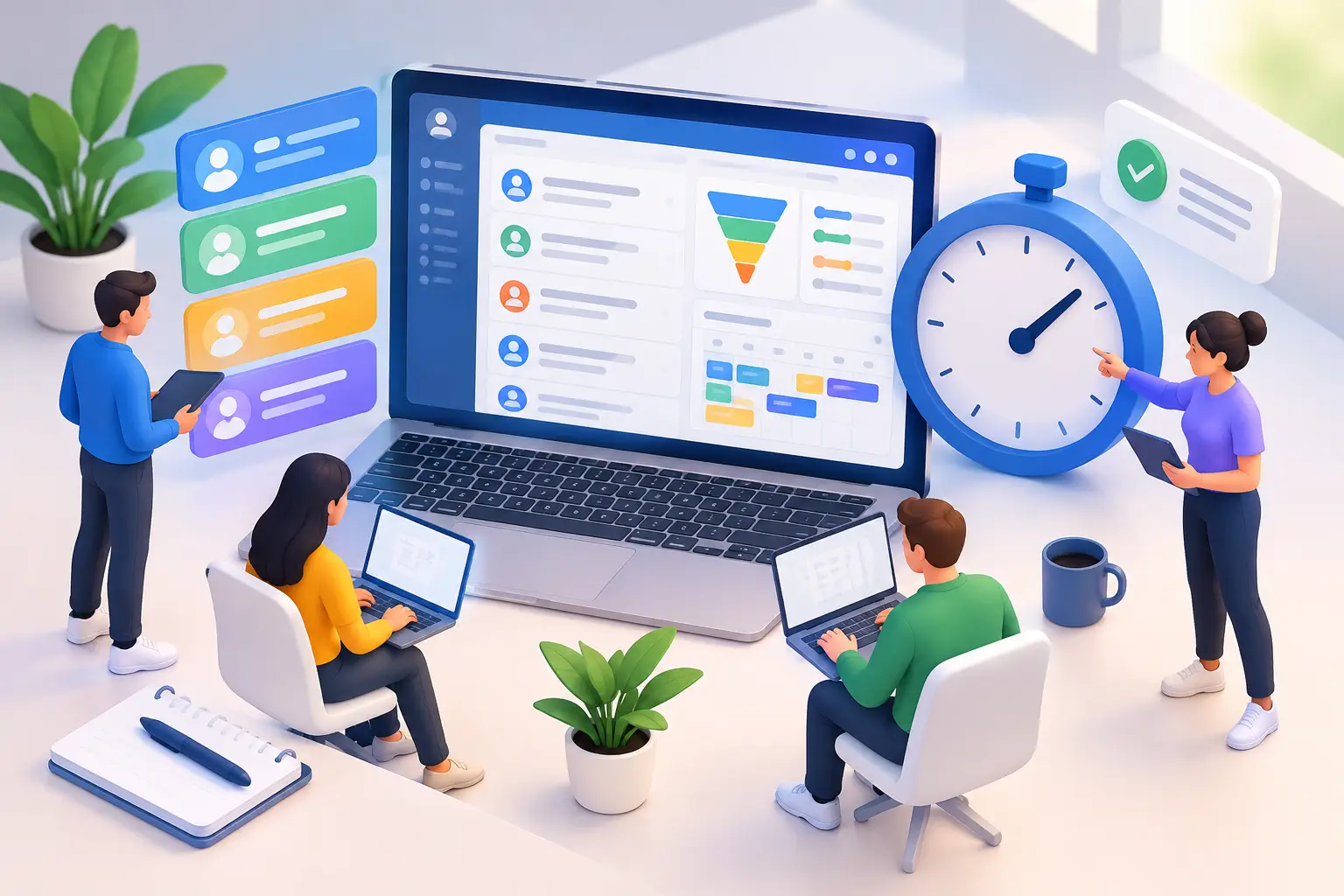
Once the patient is scheduled, communication should not depend on someone remembering to send messages manually. Reminder sequences, pre-visit instructions, follow-up requests, reactivation campaigns, and review requests should all be structured inside the system.
After the visit, the relationship continues. Some patients need repeat appointments, some need educational follow-up, and some go quiet until they are ready to return. A CRM becomes valuable when it helps your team stay present without chasing every action by hand.
That is the difference between a contact database and an actual growth engine.
Want to know how you could improve your business?
Our team is available for a free consultation.
What to Look for in a CRM for Health Care
If you are comparing tools, the feature list matters less than how the platform handles day-to-day work. Start with communication. Your team should be able to manage email, text, forms, and appointment follow-up in one place or as close to one place as possible. If messages live in separate tools, your staff spends the day switching screens instead of helping patients.
Automation is the next filter. You want workflows that reduce repetitive tasks, not workflows that require a consultant every time you need to change a step. Simple automations can save hours every week: new lead acknowledgment, missed-call text back, appointment reminders, no-show follow-up, referral outreach, and win-back campaigns.
Booking is another major factor. In health care, the handoff between interest and appointment is where revenue leaks. If your CRM cannot support scheduling or connect tightly with it, you create more friction than you remove. Patient appointments benefit from schedule automation with online booking and reminders.
Reporting also matters, but not in the abstract. You need to know where inquiries come from, how quickly your team responds, how many leads convert into appointments, and where drop-off happens. Fancy dashboards are useless if they do not help you fix bottlenecks.
Finally, think hard about cost structure. Many platforms look affordable until you add seats, automation, texting, email volume, scheduling, integrations, and support. Small and midsize organizations feel this pain fast. The tool stack gets wider, the monthly spend climbs, and nobody feels more in control.
Why Simplicity Beats Feature Creep
A lot of software buyers get trapped by the idea that more features means better value. In practice, more features often means more setup, more training, more confusion, and more software sitting half-used.
For health care teams with ten or more staff members, the real win is not buying the most advanced system on paper. The win is getting one that your team will actually use every day. Simplicity is not a compromise. It is a growth strategy.
That is especially true for businesses trying to scale without hiring extra admin staff just to keep systems running. If your CRM, marketing, scheduling, conversations, and workflows can live in one environment, the team moves faster. Follow-up improves. Visibility improves. Costs usually drop too.
This is why all-in-one platforms are getting more attention. Instead of paying for a CRM, an email system, a booking tool, social scheduling, pipeline tracking, and automation software separately, many small businesses want one platform that covers the essential work without forcing an enterprise implementation. That is the gap a platform like TwiLead is built to address.
The Trade-Offs You Should Be Honest About
Not every health care business needs the same setup. A multi-location group with complex compliance needs, deep EHR dependencies, and custom enterprise reporting may need more specialized infrastructure. A solo provider with a small patient base may not need a broad system at all.
But many growing practices sit in the middle. They are too busy for disconnected tools and too practical to overbuy enterprise software. For them, the right question is not, “What has the longest feature list?” It is, “What helps us respond faster, stay organized, and drive more booked appointments without adding complexity?”
That answer usually favors usability, automation, and consolidation over technical bragging rights.
How to Choose Without Wasting Six Months
Start by mapping your current process from first inquiry to repeat appointment. Where do leads come from? How long does response take? Who owns follow-up? What gets done manually? Where do no-shows or drop-offs happen?
Then check whether a platform can handle those moments in a direct way. If it takes five tools and two integrations to do what your team needs every day, you are not buying efficiency. You are buying maintenance.
It also helps to involve the people who will use the system most. Front-desk staff, sales coordinators, patient care teams, and marketers see problems leadership often misses. If they say a platform feels clunky, believe them.
A strong choice should feel clear within a trial period. You should be able to picture your forms, follow-ups, bookings, conversations, and campaigns working inside one organized flow. If the system feels complicated before launch, it usually gets worse after launch.
The best crm for health care does not try to impress you with jargon. It helps your team move quickly, communicate consistently, and keep more patients engaged from first touch to long-term retention.
Health care is already complicated enough. Your software should make the work lighter, not heavier.