A missed call at 2:17 PM, a web form submitted after hours, a lead who asked for pricing three days ago and never got a reply – this is how small businesses lose revenue. Not because the offer is weak, but because sales gets buried under admin. That is exactly how ai powered crm is transforming sales for small businesses: it reduces the lag between interest and action, and it gives lean teams a way to follow up like a much larger company.
For small business owners, that shift matters more than any flashy feature list. You do not need another dashboard that creates more work. You need one system that captures leads, tells you who is worth prioritizing, follows up automatically, and keeps conversations moving without forcing you to babysit every step.
Why old-school sales systems break for small businesses
Most small businesses do not have a dedicated sales ops team. The owner is often handling leads, estimates, customer questions, scheduling, and invoicing at the same time. When sales runs through spreadsheets, a separate email platform, a booking app, and a few sticky notes in someone’s head, deals slip.
The problem is not just organization. It is speed. Buyers expect fast replies, clear communication, and a consistent experience. If a prospect fills out a contact form and waits until tomorrow for a response, you are already behind. If your pipeline lives in one tool but your messages live in another, you are wasting time copying data instead of closing business.
This is where AI in CRM stops being a trend and starts being practical. It is not replacing sales judgment. It is removing repetitive work that slows down sales judgment.
How AI powered CRM is transforming sales for small businesses
The biggest change is simple: sales stops depending on memory and manual effort.
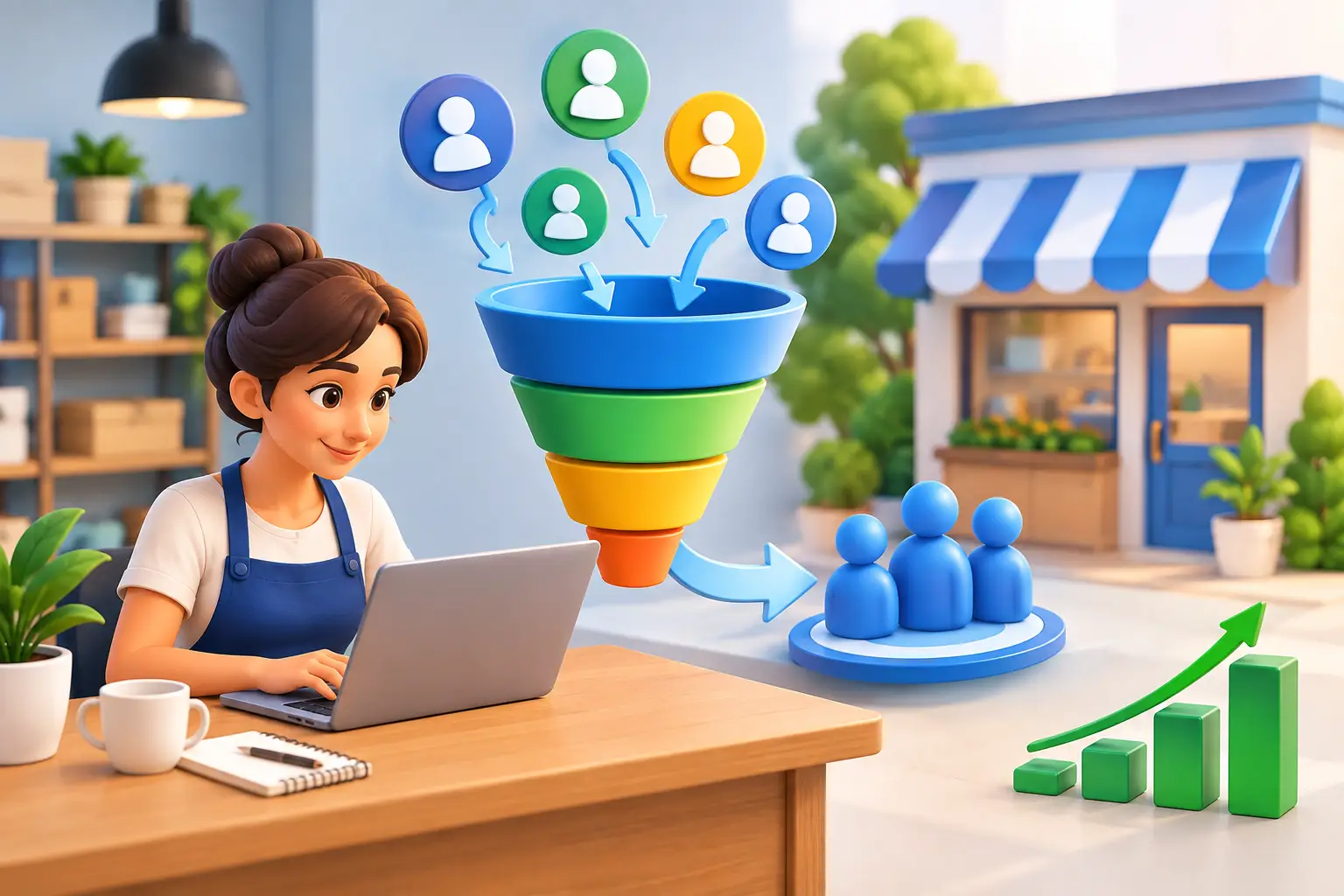
An AI-powered CRM can capture leads from different channels, organize them automatically, and trigger the next action based on behavior. That means when someone books an appointment, downloads an offer, replies to a message, or goes quiet after receiving a quote, the system does not just store that information. It acts on it.
For a small business, that can mean automatic lead assignment, follow-up reminders, suggested replies, appointment confirmations, reactivation campaigns, and pipeline updates without constant clicking around. Instead of treating every lead the same, the system can help identify who is engaged, who needs a nudge, and who is unlikely to convert.
That changes the rhythm of sales. Your team spends less time sorting and chasing, and more time talking to the right people at the right moment.
Faster follow-up wins more deals
Speed matters. In many small businesses, leads come in through forms, social messages, calls, ads, and website chats. Without a centralized system, response time depends on who happens to check what and when.
AI-powered CRM shortens that gap. It can send instant replies, qualify inquiries, route leads into the correct pipeline, and schedule the next touch automatically. That does not mean every message should sound robotic. It means no lead should sit untouched because your day got busy.
There is a trade-off here. Automation that is too generic can feel cold. The strongest setup uses AI to handle first response and routine follow-up, while leaving room for a human to step in when the conversation becomes specific, emotional, or high value.
Better lead prioritization without guesswork
Not every lead deserves the same amount of time. Small businesses feel this pain hard because time is the most limited resource they have.
AI can help score or surface leads based on signals like response history, source, service interest, booking intent, and engagement. That does not guarantee perfect forecasting, and it should not replace common sense. A lower-scored lead can still become a great customer. But it gives owners a stronger starting point than working off gut feeling alone.
When your CRM helps you focus first on prospects who are showing buying intent, your sales process gets sharper. You stop spreading attention evenly across everyone and start putting it where revenue is most likely.
The real shift: one system instead of five
A lot of sales problems are really software stack problems.
If your CRM is separate from your email marketing tool, your booking app, your social inbox, your invoices, and your automation platform, every sale requires handoffs. Data gets duplicated. Notes go missing. Customers repeat themselves. And every extra tool adds another monthly charge.
That is why the strongest impact of AI-powered CRM is not just intelligence. It is consolidation.
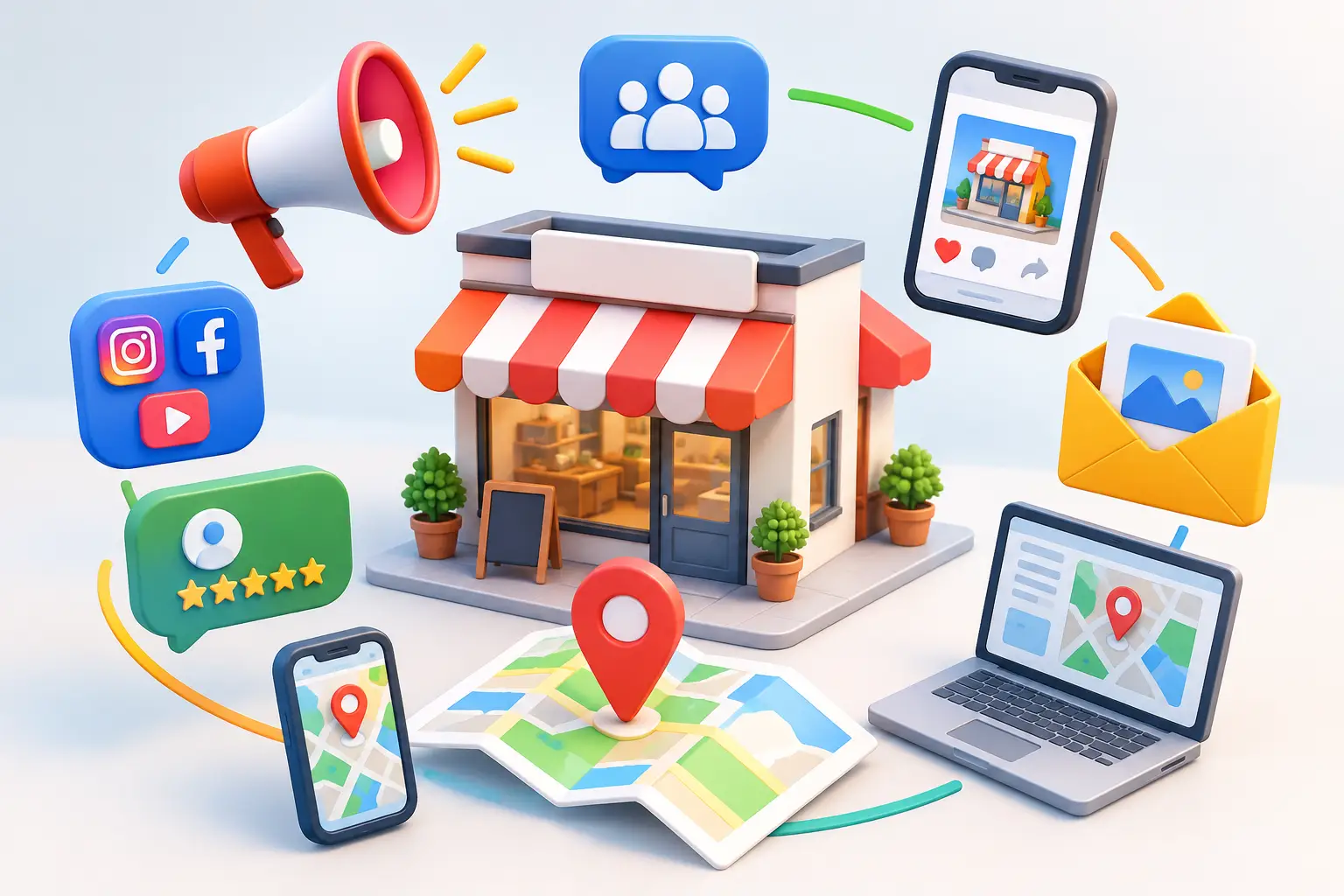
When lead capture, pipeline tracking, messaging, scheduling, and follow-up live in one place, AI becomes more useful because it has context. It can see the whole customer journey instead of one disconnected slice. That leads to better automation and fewer mistakes.
For small businesses, this is often the difference between using software and being buried by it. A platform like TwiLead fits this model well because it combines CRM, communication, marketing, automation, and operations in one system instead of forcing owners to stitch together expensive tools that were never built to work simply.
Sales and marketing finally stop fighting each other
In smaller companies, sales and marketing are usually the same person or same tiny team. Still, the disconnect happens. Leads come in from campaigns, but there is no clean process for nurturing them. Contacts get added to a list but never moved into a pipeline. Follow-up depends on memory.
AI-powered CRM closes that gap by connecting campaign activity to sales activity. If a prospect clicks an email, books a call, visits a page, or responds to a text, that behavior can trigger the next step automatically. Marketing no longer ends at lead generation. It becomes part of the conversion process.
That is especially useful for coaches, consultants, local service businesses, and training centers where trust builds over multiple touchpoints. Buyers may not convert on first contact, but they often do convert with consistent follow-up.
What small businesses actually gain
The gains are practical, not theoretical.
First, you save time by cutting manual entry, repetitive messaging, and status updates. Second, you close more opportunities because fewer leads go cold. Third, you reduce software costs when one platform replaces several single-purpose subscriptions. Fourth, you get cleaner visibility into what is working, which matters when every marketing dollar is under scrutiny.
There is also a less obvious benefit: consistency. Small businesses often deliver great service but inconsistent process. AI-powered CRM helps standardize the basics so every lead gets a timely response, every appointment gets confirmed, and every customer gets tracked properly.
That kind of consistency builds trust, and trust sells.
Where AI-powered CRM can go wrong
It is not magic, and some businesses set it up badly.
If your workflows are messy, AI can accelerate messy workflows. If your messages sound canned, automation will amplify that too. And if you buy a platform loaded with enterprise complexity, your team may never fully use it.
That is why ease of use matters as much as features. Small businesses need automation they can actually launch, edit, and understand. They need AI that supports the sales process instead of turning it into a technical project.
It also depends on the business model. A high-volume local service company may benefit most from fast response automation and booking workflows. A consultant with longer sales cycles may care more about lead nurturing, pipeline visibility, and personalized follow-up. Same core technology, different priorities.
What to look for if you are making the switch
Start with the basics. Can the system capture leads from your main channels, centralize communication, automate follow-up, and show you exactly where deals stand? If not, the AI layer does not matter much.
Then look at the cost structure. Many platforms hook small businesses with entry pricing, then push upgrades for users, automations, contacts, or core features. That is where software budgets get out of control. The best fit is usually the platform that replaces the most tools without creating extra complexity.
Finally, think about support. Small business owners do not have time to wait days for answers or decode technical documentation. If you are betting your lead flow on a CRM, responsive human support is not a bonus. It is part of the product.
Sales does not usually break because business owners lack ambition. It breaks because too much of the day gets spent on work that should have happened automatically. The right AI-powered CRM fixes that by turning scattered activity into a system that follows up faster, organizes better, and gives small businesses a real shot at scaling without adding chaos.