Key Takeaways
- Most leads go silent soon after signing up because they are not ready to buy yet.
- Segment and score your leads, then build multi-channel nurture sequences.
- Personalize with progressive profiling and AI, and automate workflows for timely follow-up.
- Measure and optimize with data to keep improving results.
Introduction
Ever notice how most of your leads go silent right after they sign up? You’re not alone. About 73% of prospects aren’t ready to buy right away. That’s why you need a smart plan to keep your brand top of mind until they’re ready to convert. In this guide, we’ll walk you through six practical steps to build lead nurturing strategies that actually work in 2026. We’ll cover segmentation, multi-channel sequences, personalization with AI, automation workflows, measurement, and psychological triggers. By the end, you’ll have a complete playbook to turn cold contacts into paying customers.
Step 1: Segment and Score Your Leads
The first step in any lead nurturing strategy is knowing who your leads are and how ready they are to buy. Not all leads are equal. Some are just browsing, others are actively comparing options. If you treat everyone the same, you’ll waste time and annoy potential customers.
Segmentation means dividing your leads into groups based on shared traits like industry, company size, job role, or behavior. For example, a small business owner might need different content than a marketing manager at an enterprise. Good segmentation lets you send the right message to the right person.
Lead scoring takes segmentation a step further. You assign points to leads based on actions they take. Download a whitepaper? That’s 10 points. Visit your pricing page? That’s 20 points. Open an email? 5 points. When a lead hits a certain score, they’re sales-ready and get passed to your team.
Lead scoring, it’s a methodology used to rank prospects against a scale that represents the perceived value each lead represents to the organization. This helps salespeople focus on the hottest leads first.
Here are some practical tips for setting up segmentation and scoring:
- Start with basic data: Use info from signup forms like name, email, company size, and role. This is explicit data.
- Track behavior: Use tools like TwiLead’s CRM to see which pages they visit, emails they open, and links they click. This is implicit data.
- Set score thresholds: Decide what score means a lead is “hot.” For example, above 50 points might trigger a sales call.
- Review scores regularly: Markets change. What worked last year might not work today. Adjust your scoring model every quarter.
“The best lead nurturing strategies start with knowing exactly where each lead stands.”
Step 2: Build Multi-Channel Nurture Sequences
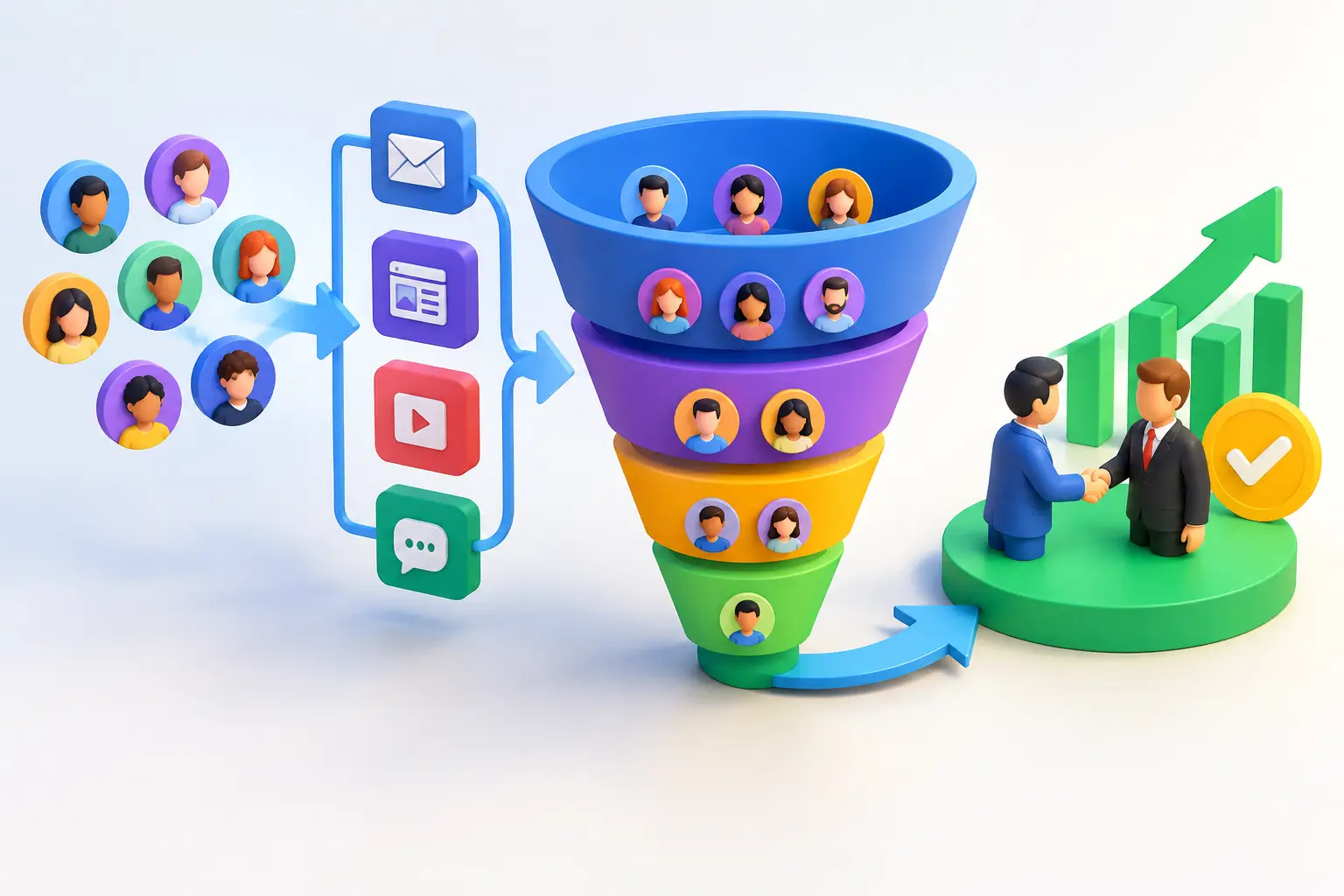
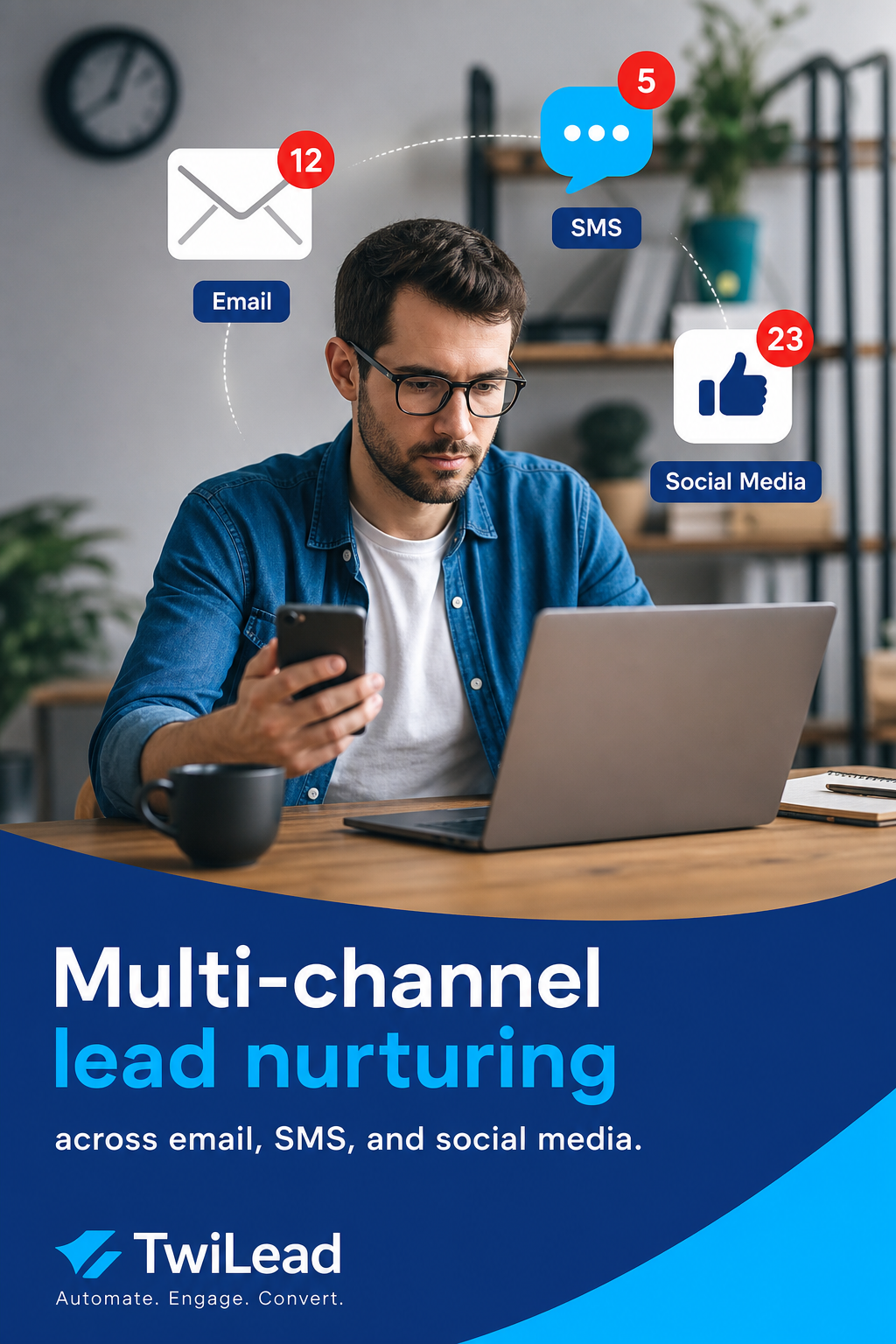
Once you’ve segmented and scored your leads, it’s time to reach them where they spend their time. In 2026, that means more than just email. Your leads are on social media, texting, watching videos, and browsing websites. A multi-channel nurture sequence ensures your message shows up in the right place at the right time.
Start with email as your backbone. Email is still the most reliable channel for delivering value-based content. But don’t stop there. Add SMS for urgent reminders, social media ads for retargeting, and even direct mail for high-value leads. The idea is to create a cohesive experience that feels like a conversation, not a sales pitch. Nurturing relies mostly on email campaigns, so learn how to create one that performs.
According to advice from a multi-channel automation guide, orchestrating your channels in a coordinated flow improves engagement and shortens conversion cycles. For example, if a lead opens your email but doesn’t click, send them an SMS reminder a day later. If they visit your pricing page, serve them a retargeting ad with a testimonial.
Here’s a sample multi-channel sequence you can adapt:
- Day 1: Welcome email with a free resource (e.g., ebook).
- Day 3: Follow-up email with a case study.
- Day 5: SMS reminder about an upcoming webinar.
- Day 7: LinkedIn retargeting ad showing a customer success story.
- Day 10: Email with a limited-time offer.
- Day 14: Final email asking if they want to book a demo.
Tools like TwiLead let you build these sequences with a drag-and-drop workflow builder. You can connect email, SMS, and social scheduling without switching platforms. That saves you time and money.
Remember, consistency builds trust. Don’t spam. Space out your messages and always provide value. The goal is to nurture, not annoy.
Step 3: Personalize with Progressive Profiling and AI
Generic messages don’t cut it anymore. People expect you to know who they are and what they need. That’s where progressive profiling and AI come in. Progressive profiling means collecting information about your leads little by little over time, rather than asking for everything in one form. This reduces friction and keeps them engaged.
For example, the first time someone downloads an ebook, you ask for just their name and email. The next time they sign up for a webinar, you ask for their company size and role. Each interaction adds a piece to the puzzle, building a richer profile without overwhelming them.
Step 4: Automate Workflows for Timely Follow-Up
Speed matters. Research shows that contacting a lead within five minutes increases conversion rates by nine times. But you can’t be glued to your inbox 24/7. That’s why automation is essential. Automated workflows take care of repetitive tasks like sending follow-up emails, assigning leads to sales reps, and updating scores.
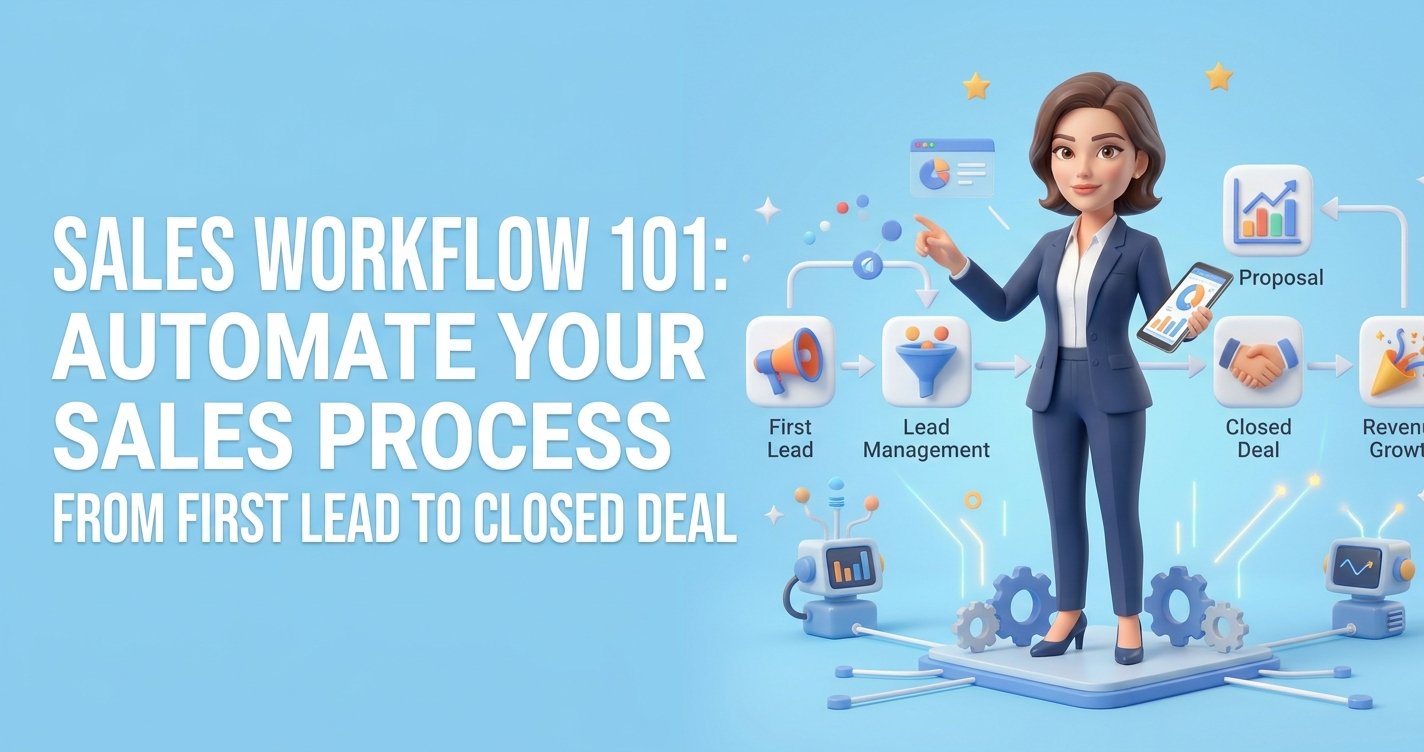
Here’s a typical automated workflow for a new lead:
- Trigger: Lead fills out a contact form.
- Action 1: Send an immediate thank-you email with a link to a relevant resource.
- Action 2: Add a lead score of 10 points.
- Action 3: Wait 1 day.
- Action 4: Send a follow-up email with a case study.
- Action 5: If lead clicks the link, assign them to a sales rep.
You can build these workflows inside TwiLead using a simple visual editor. No coding required. Just drag and drop the actions you want. This is what we call marketing automation workflows and they save hours every week.
One of the biggest pitfalls is robotic automation, sending the same sequence to everyone without considering context. To avoid that, use conditional logic. For example, if a lead has already purchased, skip the sales sequence and enter a post-purchase nurture flow instead.
Want to know how you could improve your business?
Our team is available for a free consultation.
Step 5: Measure and Optimize with Data
You can’t improve what you don’t measure. To know if your lead nurturing strategies are working, you need to track key metrics. .
Here are the metrics you should track:
- Open rate: How many people open your emails. Aim for 20-30%.
- Click-through rate (CTR): How many click links inside your messages.
- Conversion rate: How many leads become customers after nurturing.
- Lead-to-opportunity ratio: Percentage of nurtured leads that enter your sales pipeline.
- Time to conversion: How long it takes from first touch to sale.
Use A/B testing to optimize your campaigns. Test different subject lines, email lengths, CTAs, and send times. For example, send version A with a short subject line and version B with a longer one, then see which gets more opens.
According to data from ventureharbour.com, email campaigns with automated nurturing have click-through rates 2.5 times higher than those without. That’s a clear sign that automation pays off.
“What gets measured gets improved. Regularly review your nurturing data and tweak your approach.”
TwiLead’s analytics dashboard shows you real-time performance of each campaign. You can see which emails are getting the most clicks, which leads are most engaged, and where you’re losing people. Use this data to refine your lead generation strategies for better results.
Step 6: Trigger Action with Psychological Tactics
Even with perfect segmentation and automation, you need to motivate leads to take action. That’s where psychology comes in. Certain triggers can nudge leads to move faster through your funnel. Use them sparingly and authentically.
Here are six psychological tactics to incorporate into your lead nurturing strategies:
- Scarcity: Limited-time offers or low stock alerts. “Only 5 spots left for our webinar.”
- Curiosity: Subject lines that tease but don’t give away the answer. “The trick to doubling your conversions.”
- Social proof: Testimonials, case studies, and user numbers. “Join 10,000 happy customers.”
- Reciprocity: Give something valuable before asking for something. Offer a free tool or guide.
- Authority: Position yourself as an expert. Cite data, share credentials, or get endorsements.
- Commitment and consistency: Start with a small ask (like signing up for a newsletter) and gradually increase the commitment.
For example, you could send an email with the subject line “Our secret formula revealed” (curiosity) and inside, share a case study (social proof) with a limited-time discount (scarcity). This combination can dramatically boost click-throughs.
According to a guide on emotional triggers, using curiosity and empathy can turn passive readers into active explorers. Empathy means acknowledging their pain points before presenting your solution.
TwiLead helps you apply these tactics with its email builder and automation tools. You can create countdown timers in emails, set up scarcity-based offers, and display social proof snippets automatically.
Frequently Asked Questions
What are lead nurturing strategies?
Lead nurturing strategies are systematic approaches to building relationships with potential customers at every stage of the buyer’s journey. They involve sending targeted, valuable content over time to educate, engage, and move leads closer to a purchase decision. Common tactics include email sequences, retargeting ads, personalized offers, and automated follow-ups based on behavior.
Why is lead nurturing important for small businesses?
Small businesses often have limited budgets and need to get the most out of every lead. Nurturing helps you build trust and stay top of mind without expensive ad campaigns. It can increase conversion rates by up to 50% and reduce cost per lead. Plus, it allows you to compete with larger companies by delivering a personalized experience that big brands often lack.
How do I start building a lead nurturing strategy?
Start by collecting leads through forms, landing pages, or social media. Then categorize them based on demographics and behavior. Set up automated email sequences that provide value over a few weeks. Use a CRM like TwiLead to track engagement and score leads. Finally, measure your results and tweak your content based on what works.
What channels should I use for lead nurturing?
The best nurturing strategies use multiple channels: email is essential, but also consider SMS, social media retargeting, webinars, and even direct mail for high-value leads. The key is to be where your audience is. Coordinate your messages so that a lead sees a consistent story across all platforms. This omnichannel approach reinforces your message and builds familiarity.
How often should I contact my leads?
Quality over quantity. Start with a welcome series of 3-5 emails over the first two weeks. Then switch to a weekly or bi-weekly newsletter with valuable content. If a lead is highly engaged, you can increase frequency. But never send more than one email per day unless it’s time-sensitive. Let engagement be your guide: if open rates drop, slow down.
What are the biggest mistakes in lead nurturing?
The most common pitfalls include sending too many emails, not segmenting leads, using a one-size-fits-all message, and failing to track results. Another big mistake is not having a CRM and relying on spreadsheets. Without a system, leads fall through the cracks. Also, ignoring mobile optimization or not respecting privacy regulations can hurt your reputation.
Do I need a CRM for lead nurturing?
Yes, absolutely. A CRM is the backbone of any effective nurturing strategy. It stores all lead data, tracks interactions, automates follow-ups, and provides analytics. Without a CRM, you’re flying blind. TwiLead offers an all-in-one solution that combines CRM, email automation, and more at a flat $127 per month, making it affordable for any small business.
Can AI really improve lead nurturing?
Absolutely. AI can analyze huge amounts of data to predict which leads are most likely to convert, what content they prefer, and the best time to reach out. It can also personalize messages at scale, something that’s impossible to do manually. AI tools like TwiLead’s AI agents can automate outreach and even handle initial sales conversations, freeing up your team for high-value tasks.
Conclusion
Creating effective lead nurturing strategies in 2026 is simpler than you think. The research shows that every tactic boils down to two pillars: personalized outreach and automation. By following the six steps in this guide, segmenting, building multi-channel sequences, personalizing with AI, automating workflows, measuring results, and using psychological triggers, you can turn cold leads into loyal customers.
Remember, the biggest mistake is not using a CRM. Trying to manage leads in Excel or a fragmented set of tools will kill your productivity and leave money on the table. You need a single platform that keeps all your leads in one place and automates the hard parts. That’s exactly what TwiLead offers: an all-in-one CRM, email automation, website builder, and AI agents for a flat $127 per month with unlimited users. No hidden fees, no tiered pricing. Just one tool that powers your entire lead nurturing process.
Ready to put these lead nurturing strategies into action? Start your 14-day free trial of TwiLead today. No commitment, no credit card required. See how easy it is to nurture leads and grow your business.