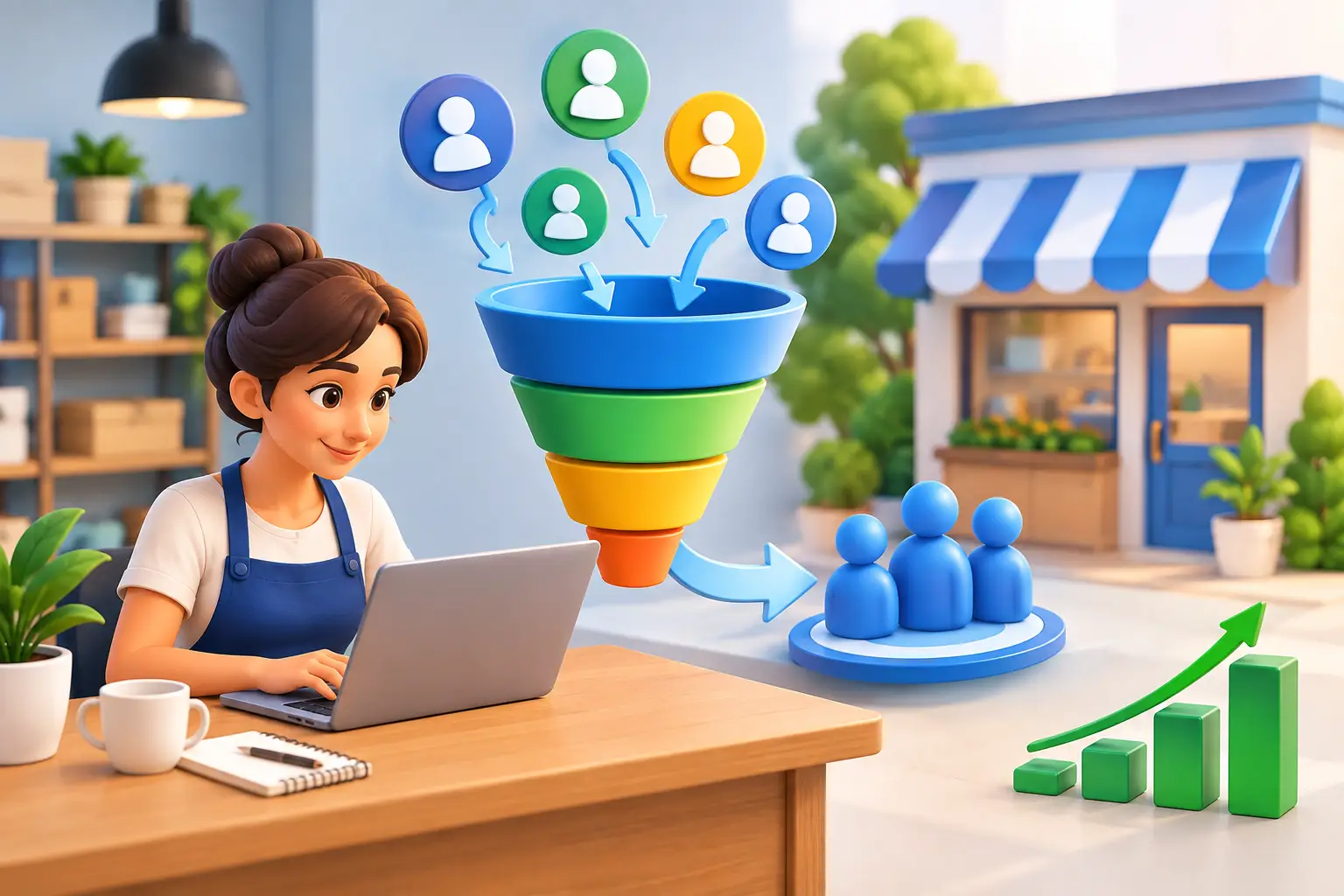
A new lead fills out your form at 8:47 p.m. If nobody responds until the next morning, that person may already be speaking with a competitor. That is why the best small business automation examples are not about adding flashy technology. They are about removing the small delays, missed handoffs, and repetitive tasks that quietly cost you revenue.
For a local service business, agency, coach, consultant, or real estate professional, automation should make the customer experience faster while giving your team more time to sell and serve. Start with the processes that happen often, affect money, and currently depend on someone remembering to do them.
What Makes Automation Worth It?
Useful automation has a clear business outcome. It helps you respond to leads faster, keep appointments full, move deals forward, bring customers back, or reduce the hours spent moving information between disconnected apps.
The wrong approach is automating a messy process just because a tool makes it possible. If your sales follow-up is unclear, five automated messages will not fix it. Define the customer journey first: how people find you, what happens after they inquire, how they buy, and what keeps them coming back.
A practical rule is to automate the repeatable action, not the relationship. Use automation to send confirmations, reminders, and timely information. Keep personal conversations personal when a prospect has questions, a customer has a problem, or a high-value opportunity needs attention.
12 Small Business Automation Examples That Drive Growth
1. Instant lead-response messages
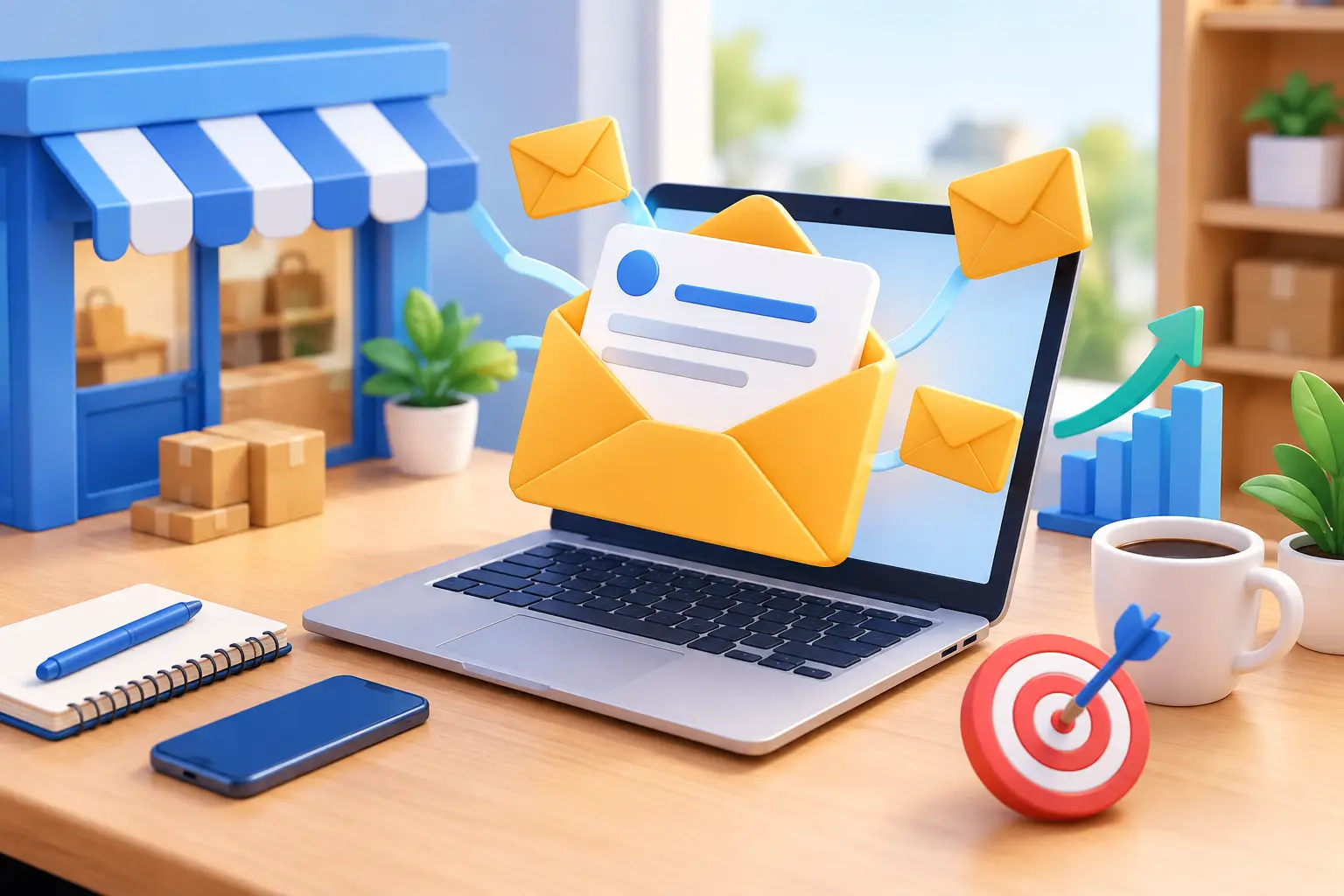
When someone submits a website form, requests a quote, or messages your business, send an immediate text or email confirming their request. Include a simple next step, such as choosing a time to talk or replying with their preferred service.
This does not replace a real response. It buys you time and reassures the prospect that their inquiry did not disappear. For high-intent leads, create an internal alert so the right person can follow up quickly.
2. Lead routing by service, location, or interest
Not every inquiry belongs in the same inbox. A home services company may need to route requests by service area. An agency may send web design inquiries to one sales rep and paid advertising inquiries to another.
Use the information on your form to tag and assign each lead automatically. Faster routing reduces response time and prevents leads from getting stuck in a general inbox where nobody owns the next step.
3. Appointment scheduling and confirmation
Back-and-forth scheduling wastes time for both sides. Let prospects book from available times on your calendar, then automatically send a confirmation with the meeting details and any preparation instructions.
This works especially well for consultations, estimates, property showings, discovery calls, and coaching sessions. The trade-off is that some appointments need qualification before booking. In that case, use a short intake form before showing the calendar.
4. Reminder sequences that reduce no-shows
A booked appointment is not the same as a completed appointment. Send a reminder a day before and another shortly before the meeting by text, email, or both. Make it easy for customers to confirm, reschedule, or cancel.
For services that require travel or preparation, reminders protect more than calendar space. They protect billable time, fuel, staff capacity, and opportunities you could have offered another customer.
5. Sales pipeline follow-up tasks
Many small businesses lose deals for a simple reason: nobody follows up after the first conversation. Automation can create a task when a lead enters a pipeline stage, then prompt the owner or salesperson to call, send a proposal, or check in after a set number of days.
The best follow-up sequence depends on the buying cycle. A quick-turn cleaning job may need a same-day call. A larger consulting engagement may need thoughtful follow-up over several weeks. Automation provides consistency, while the message should still reflect the prospect’s situation.
6. Quote and proposal follow-up
Sending a quote is often where momentum fades. Set up a follow-up message a few days after delivery asking whether the customer has questions. If they do not respond, send one final, helpful check-in rather than a string of generic reminders.
You can also move the opportunity to a follow-up stage automatically when a quote is sent. That gives you visibility into how many proposals are outstanding, how long they have been open, and where revenue is getting stuck.
7. Review requests after a successful job
Happy customers are often willing to leave a review, but they rarely remember without a prompt. After a completed appointment, purchase, or project milestone, automatically send a short thank-you message with a request for feedback.
Timing matters. Ask while the positive experience is still fresh, not three months later. If the service experience was complicated or the customer reported a problem, remove them from the request and resolve the issue first.
8. Customer reactivation campaigns
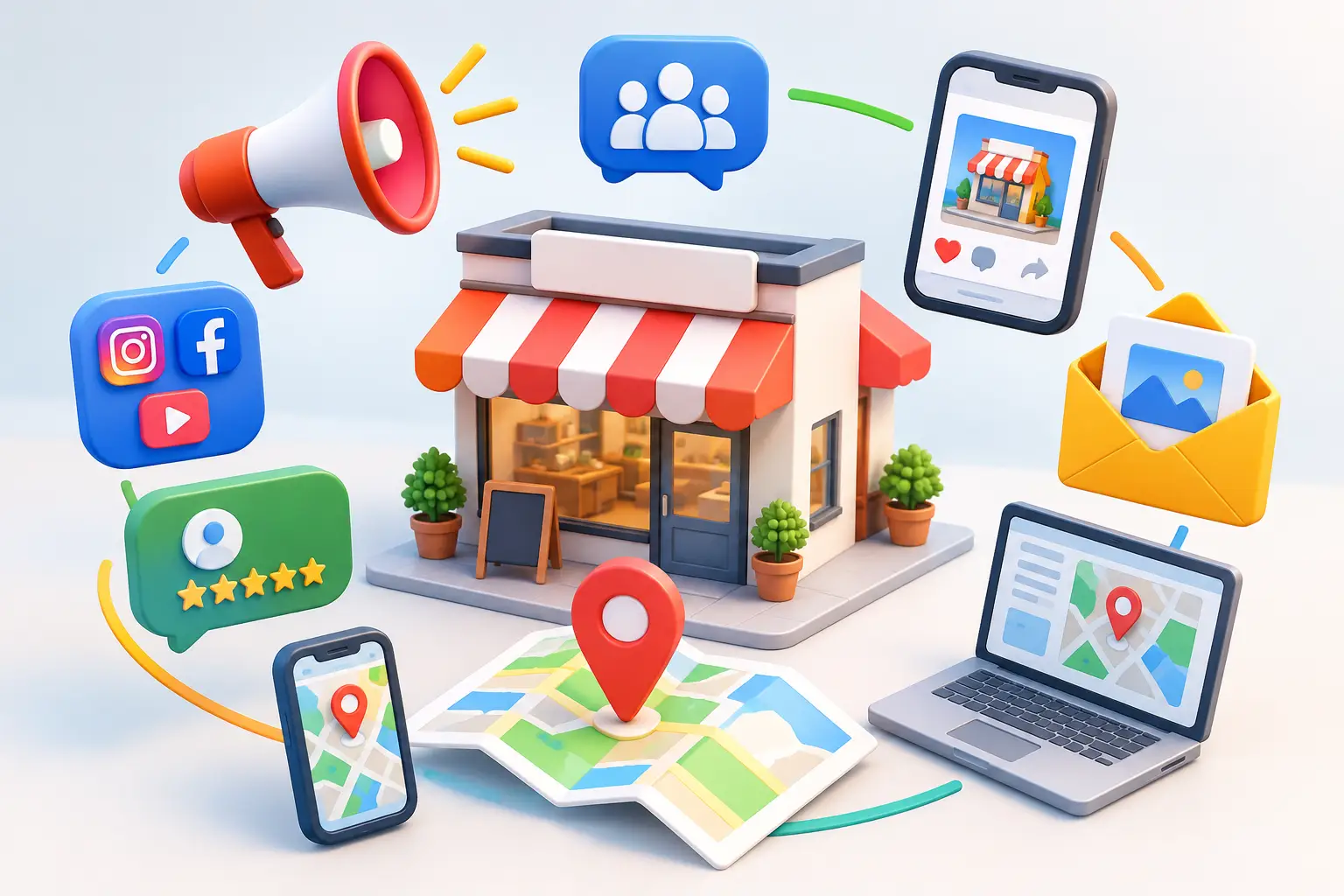
Your past customers already know who you are. That makes them one of the most affordable audiences to reach. Create simple reactivation messages based on the last purchase or appointment date.
A salon can remind customers it is time for their next visit. A real estate professional can send useful check-ins to past clients. A consultant can reconnect with former clients when a new service may solve a current problem. The message should be relevant, not just a blanket discount.
9. New-customer welcome sequences
The first few days after a purchase set the tone for retention. Automate a welcome message that explains what happens next, shares key contact information, and answers the questions customers ask most often.
For a coach, this may include how to access the first session. For a local contractor, it may explain how to prepare for a service visit. A clear welcome process reduces support requests and helps customers feel confident they made the right choice.
10. Payment reminders and receipt delivery
Chasing payments by hand creates awkwardness and consumes time. Automated payment reminders can notify customers before a due date and follow up politely when an invoice remains unpaid. Once payment is completed, send a receipt and update the customer record.
Keep the tone professional and clear. Not every overdue payment needs the same treatment, especially for long-term clients or larger projects. Automation should flag exceptions so you can handle them with judgment.
11. Missed-call text-back messages
For many local businesses, a missed call is a lost lead. If your team cannot answer, send an automatic text that acknowledges the call and asks how you can help. Include a path to book, request an estimate, or leave details.
This is particularly valuable when staff members are in the field, with clients, or outside normal office hours. It turns a dead end into a conversation and captures information that would otherwise be lost.
12. Weekly performance snapshots
Small business owners should not have to hunt through five dashboards to understand what happened this week. Automate a simple report showing new leads, booked appointments, sales opportunities, closed revenue, and follow-up activity.
The goal is not more reporting. It is better decisions. If leads are up but appointments are down, investigate response time and booking friction. If quotes are high but closes are low, review your sales conversation, pricing, or follow-up process.
Start With One Revenue Leak
Do not try to automate your entire business in a weekend. Pick one recurring problem with a measurable cost. It might be slow lead response, no-shows, uncollected payments, or customers who never hear from you again after buying.
Set a baseline before changing anything. For example, measure average lead response time, weekly no-shows, quote-to-close rate, or the number of past customers who return. Then build the simplest workflow that improves that number. Review it after a few weeks and adjust the timing, message, or handoff.
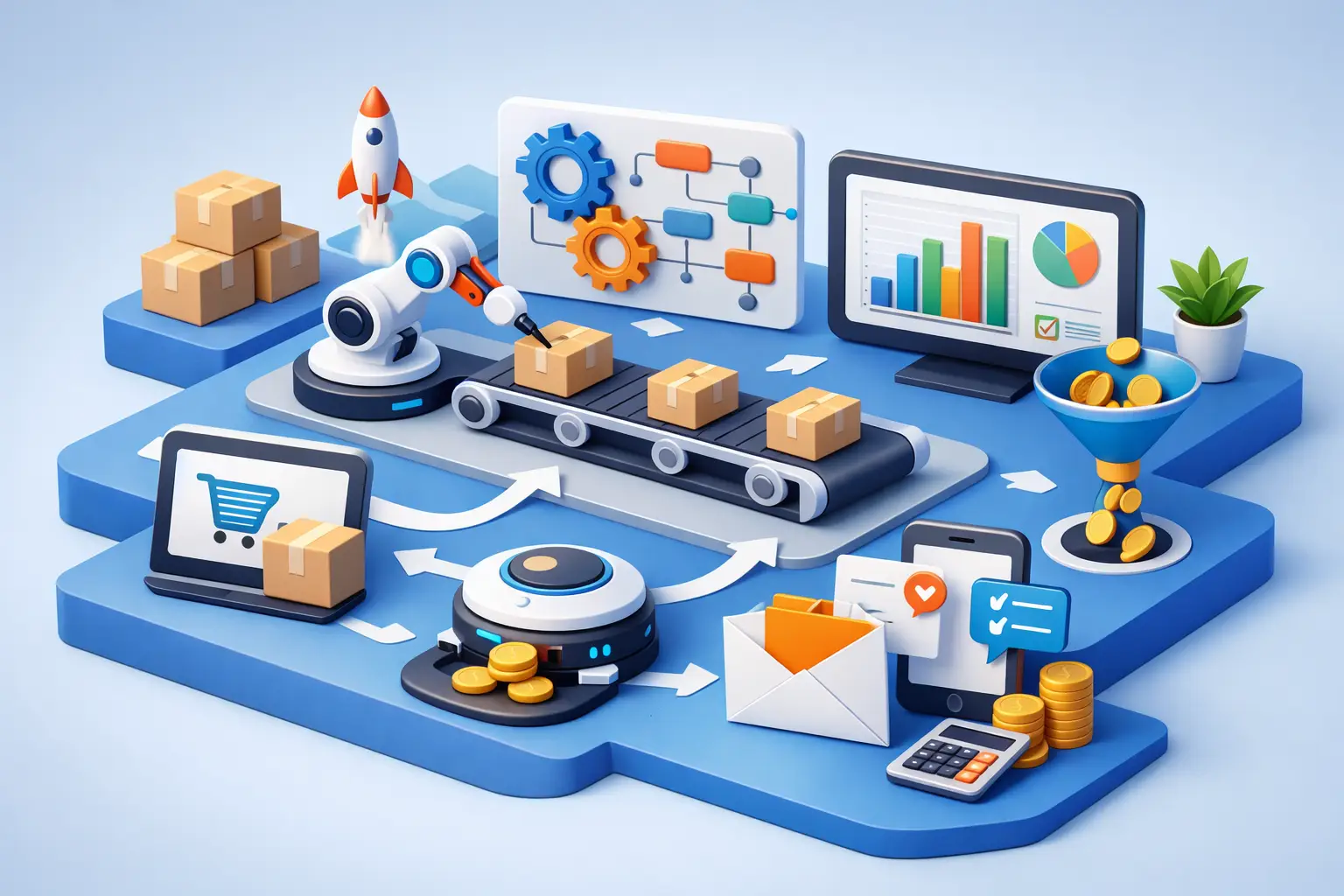
This approach also helps you avoid the subscription pileup. A separate tool for forms, scheduling, email, texts, CRM, invoicing, and workflow connections can become expensive and difficult to manage. A unified platform such as TwiLead can keep the customer record, communication, pipeline, booking, and automation in one place, which reduces manual handoffs and software costs.
Keep the Human Moments Human
Automation is most valuable when it makes your business more responsive, not less personal. A prompt confirmation, useful reminder, or well-timed follow-up feels helpful because it respects the customer’s time. A generic message sent at the wrong moment feels like noise.
Build automations around the moments customers care about, then let your team focus on the conversations that earn trust and close business. The first workflow does not need to be perfect. It simply needs to stop one preventable revenue leak from happening again tomorrow.
Want to know how you could improve your business?
Our team is available for a free consultation.