A lead fills out your form at 9:12 a.m. By noon, you are serving clients, answering messages, and putting out the next operational fire. By the time you remember to follow up, that lead has already heard from a competitor. That is not a motivation problem. It is a system problem.
Learning how to automate sales followups gives your business a reliable way to respond, stay visible, and move conversations forward without manually chasing every prospect. The goal is not to send more generic messages. It is to make sure the right person receives the right next step at the right time.
For a small business, that can mean more booked calls, fewer missed opportunities, and far less time spent bouncing between your inbox, calendar, CRM, and email tool.
Why manual followup breaks as you grow
Manual followup works when you have five leads a week and plenty of room in your schedule. It starts breaking when inquiries come from your website, social media, referrals, booking forms, and paid ads at the same time. Leads get copied into spreadsheets, reminders get buried, and the sales process starts depending on memory.
The cost is bigger than a missed email. Slow response makes a new lead feel unimportant. Inconsistent followup makes your business look disorganized. And when your team cannot see the full conversation history, prospects may receive duplicate messages or have to repeat themselves.
Automation fixes the repeatable part of the process. It does not replace judgment, personal conversations, or a strong offer. It removes the delay between a prospect taking action and your business responding with a useful next step.
How to automate sales followups in five steps
The best sales followup automation starts with your actual customer journey, not a pile of templates. Build the system around the moments where leads commonly stall or need a nudge.
1. Define the events that should trigger a followup
Start with lead actions, not arbitrary dates. A form submission, chatbot conversation, missed call, quote request, appointment booking, abandoned checkout, and proposal viewed are all meaningful triggers.
For example, when someone requests an estimate, your first automation could immediately confirm the request, set expectations for a response, and create a contact record in your pipeline. If they do not book a consultation within two days, the next message can invite them to choose a time.
Keep the number of triggers manageable. A small business usually gets better results from a few well-designed workflows than from dozens of automations nobody checks.
2. Build a followup sequence around one clear goal
Every sequence needs a destination. That might be scheduling a discovery call, completing a purchase, approving a proposal, or replying with a few qualifying details.
Do not ask a cold lead to do three things at once. If your first email says, “Reply with your budget, read our service page, download this guide, and book a call,” most people will do none of them. Give them one easy action.
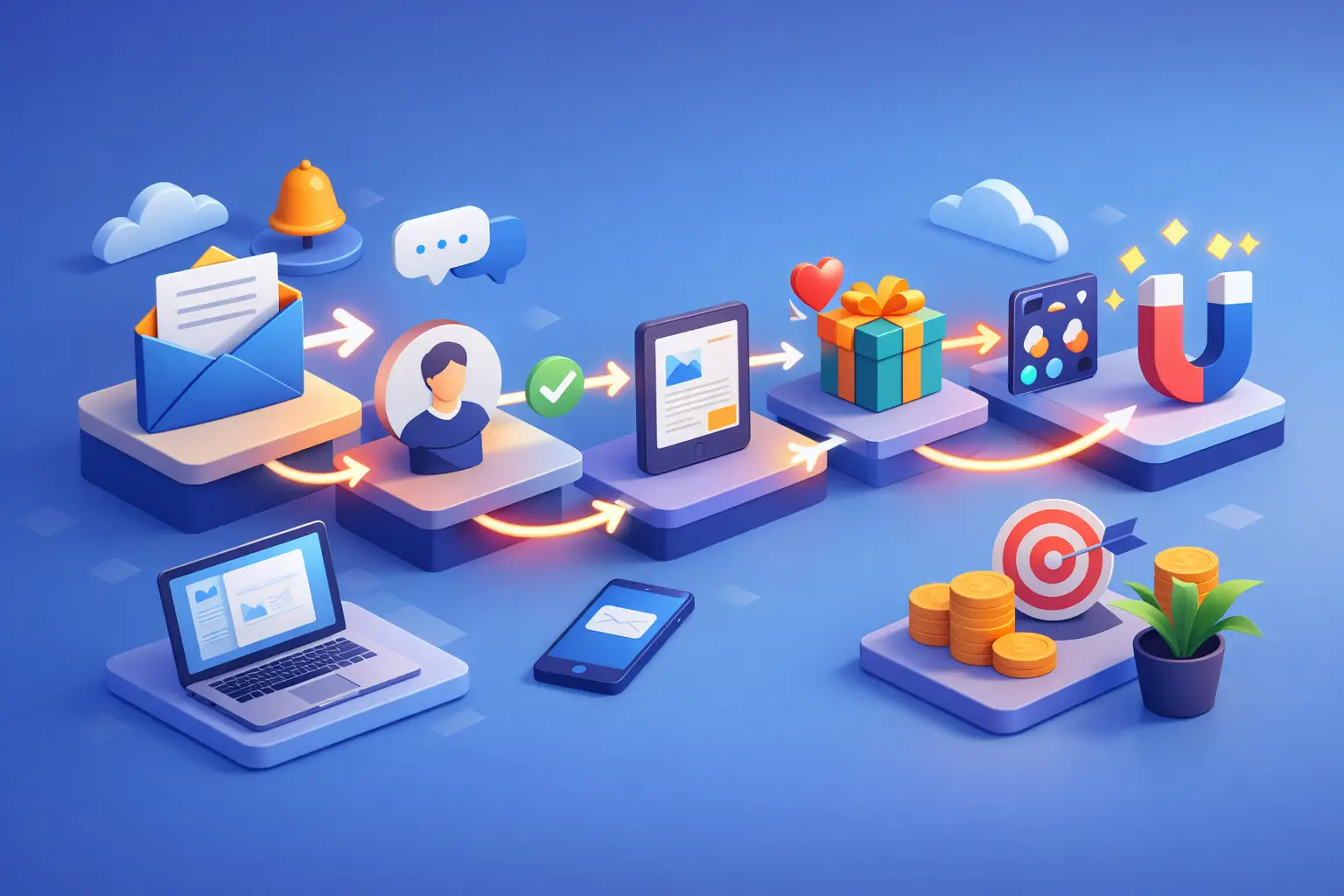
A practical new-lead sequence may look like this:
- Immediately: Confirm the inquiry and give the prospect a direct booking option.
- One day later: Share a short, relevant result, testimonial, or answer to a common concern.
- Three days later: Send a simple check-in that asks whether they still need help.
- Five to seven days later: Create a task for a personal call or send a final message that closes the loop.
The exact timing depends on your sales cycle. A plumber responding to an urgent repair request should follow up within minutes. A consultant selling a high-ticket engagement may use a slower sequence that builds trust over several weeks.
3. Personalize with the data you already collect
Automation should not sound like a robot announcing that it has been automated. Use the information a prospect has already shared: their name, requested service, business type, location, source, or appointment preference.
A message such as “Hi Jordan, thanks for asking about bookkeeping support for your agency” feels far more relevant than “Dear valued lead.” Better still, connect the message to the reason they reached out and remove friction from the next action.
Personalization has limits. Do not pretend you know more than you do, and do not add complicated fields just to make an email look customized. A clear message that reflects the prospect’s real intent beats a clever template stuffed with placeholders.
4. Use multiple channels with purpose
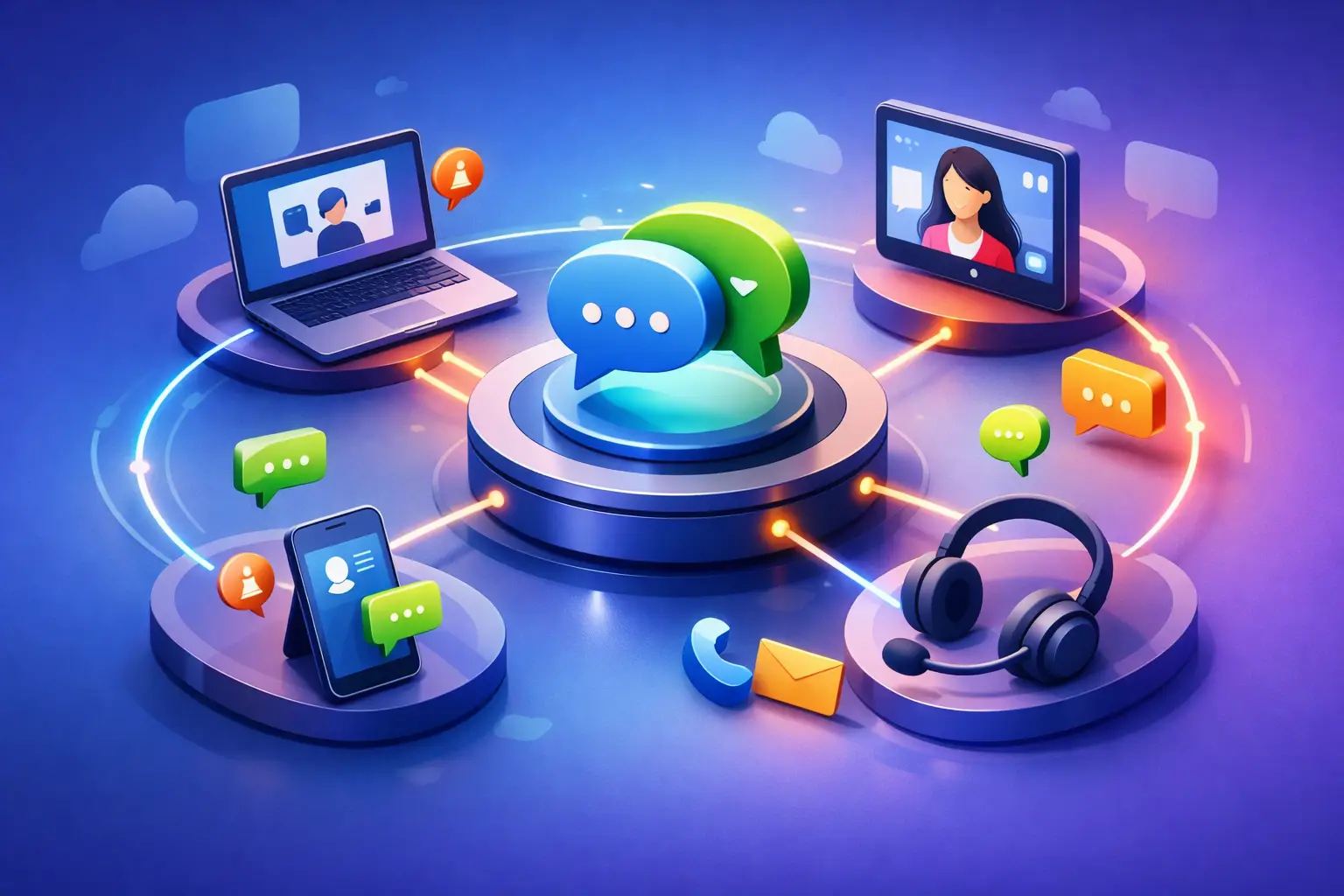
Email is usually the foundation of automated followup because it is affordable, trackable, and easy for prospects to revisit. But email alone is not always enough, especially for appointment-based businesses or leads who have already engaged by text or phone.
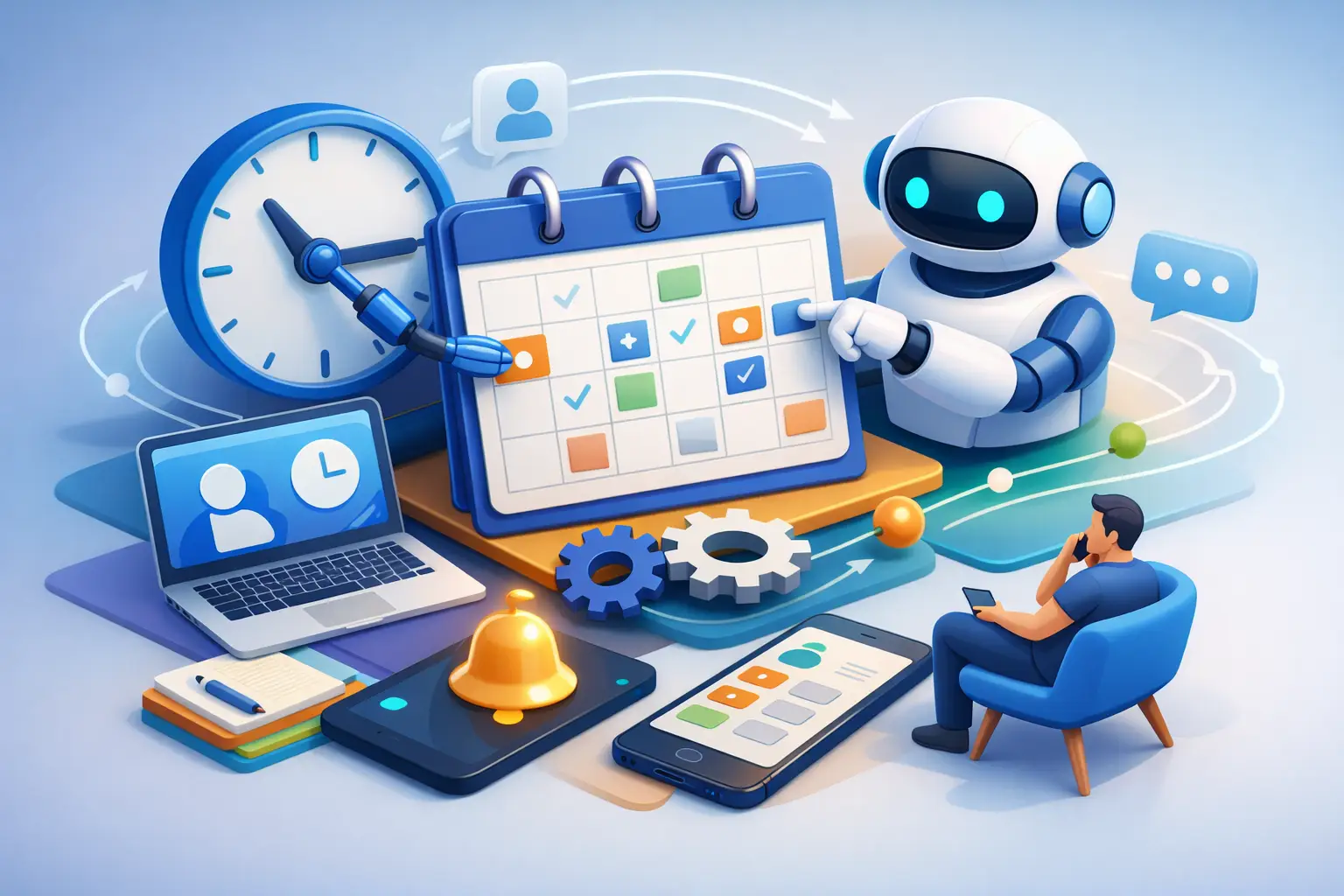
Use text messages for time-sensitive confirmations, reminders, and brief nudges when the prospect has given permission. Use email for details, case studies, proposals, and longer explanations. Use pipeline tasks to tell a team member when a personal call is the best next move.
The rule is simple: do not automate yourself into becoming annoying. If a lead books a call, replies to an email, or becomes a customer, the system should immediately stop or change the sales sequence. Nothing damages trust faster than receiving “Still interested?” after signing a contract.
5. Make the pipeline drive the automation
A CRM pipeline is more than a visual list of deals. It should tell your system what happens next.
When a lead moves from New Inquiry to Contacted, send the appropriate information. When it moves to Proposal Sent, start a proposal followup sequence. When it reaches Won, stop sales outreach and begin onboarding. When it reaches Lost, tag the reason so you can decide whether a future reactivation campaign makes sense.
This is where an all-in-one platform matters. If your forms, email marketing, calendar, conversations, and pipeline live in separate tools, every handoff creates another chance for a lead to fall through the cracks. A platform like TwiLead lets small businesses connect lead capture, automated messages, appointment scheduling, and deal management in one workspace instead of paying for and managing a disconnected stack.
Write followups that earn a response
Automation cannot rescue weak messaging. Your followups need to be short, specific, and useful.
Start by acknowledging the action the lead took. Then reduce uncertainty. Tell them what happens next, how quickly you can help, or what they will get from booking a call. Finish with one clear call to action.
For example: “Hi Maya, thanks for requesting pricing for social media management. I can recommend a plan based on your goals and posting schedule. Choose a 15-minute time that works for you, and we will map out the best fit.”
That is stronger than “Just following up on my last email.” Prospects do not need another reminder that you sent something. They need a reason to re-engage.
If a lead goes quiet after a proposal, address the decision directly without sounding desperate. Ask whether timing, budget, priorities, or questions are holding things up. An honest reply gives your team useful information and keeps the conversation human.
Measure the numbers that reveal leaks
Do not judge sales automation only by open rates. Opens can be misleading, and they do not tell you whether the system is creating revenue.
Track how quickly new leads receive a first response, how many leads book an appointment, how many appointments show up, and how many opportunities become customers. Also watch where deals stop moving. If leads reply to your first email but do not book, your call to action may be too demanding. If proposals sit untouched, your pricing or sales conversation may need work.
Review your workflows monthly. Check for outdated offers, broken links, duplicate enrollments, and messages that no longer reflect how your business operates. Automation is not something you set once and forget forever. It is a sales system that should improve as you learn what your buyers need.
Keep the human handoff where it counts
The strongest followup systems combine speed with real attention. Let automation handle confirmations, reminders, qualification questions, and routine check-ins. Step in personally when a prospect asks a detailed question, signals urgency, raises an objection, or reaches a high-value stage in the pipeline.
That balance protects your time without making your business feel distant. You are not trying to automate relationships. You are building a process that gives every serious prospect a fair chance to become one.
Start with one workflow for your highest-value lead source this week. Once every new inquiry gets a fast, relevant response, your sales followup stops being another task you hope to remember and becomes a growth engine that keeps working while you run the business.