Key Takeaways
- A local lead generation guide helps businesses connect with customers at the right moment and streamline inquiries.
- Focus on defining your ideal customer, location, and services to attract the best leads.
- Build a strong foundation for local lead generation by ensuring consistency in business information and removing barriers to contact.
- Choose marketing channels based on buyer intent, emphasizing search visibility and local partnerships for better results.
- Speed to lead improves conversion rates; respond promptly to inquiries and use automation for follow-up processes.
Introduction
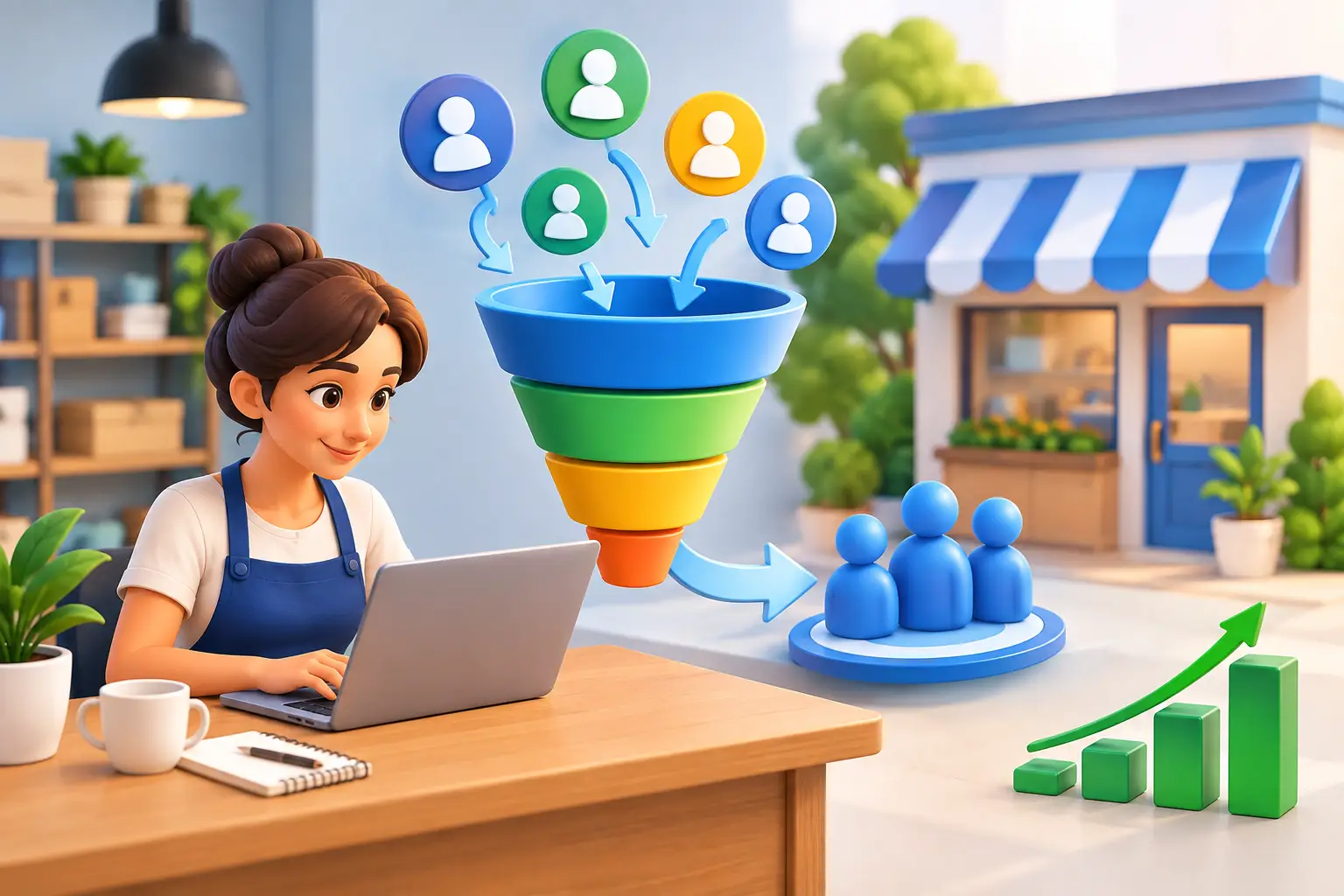
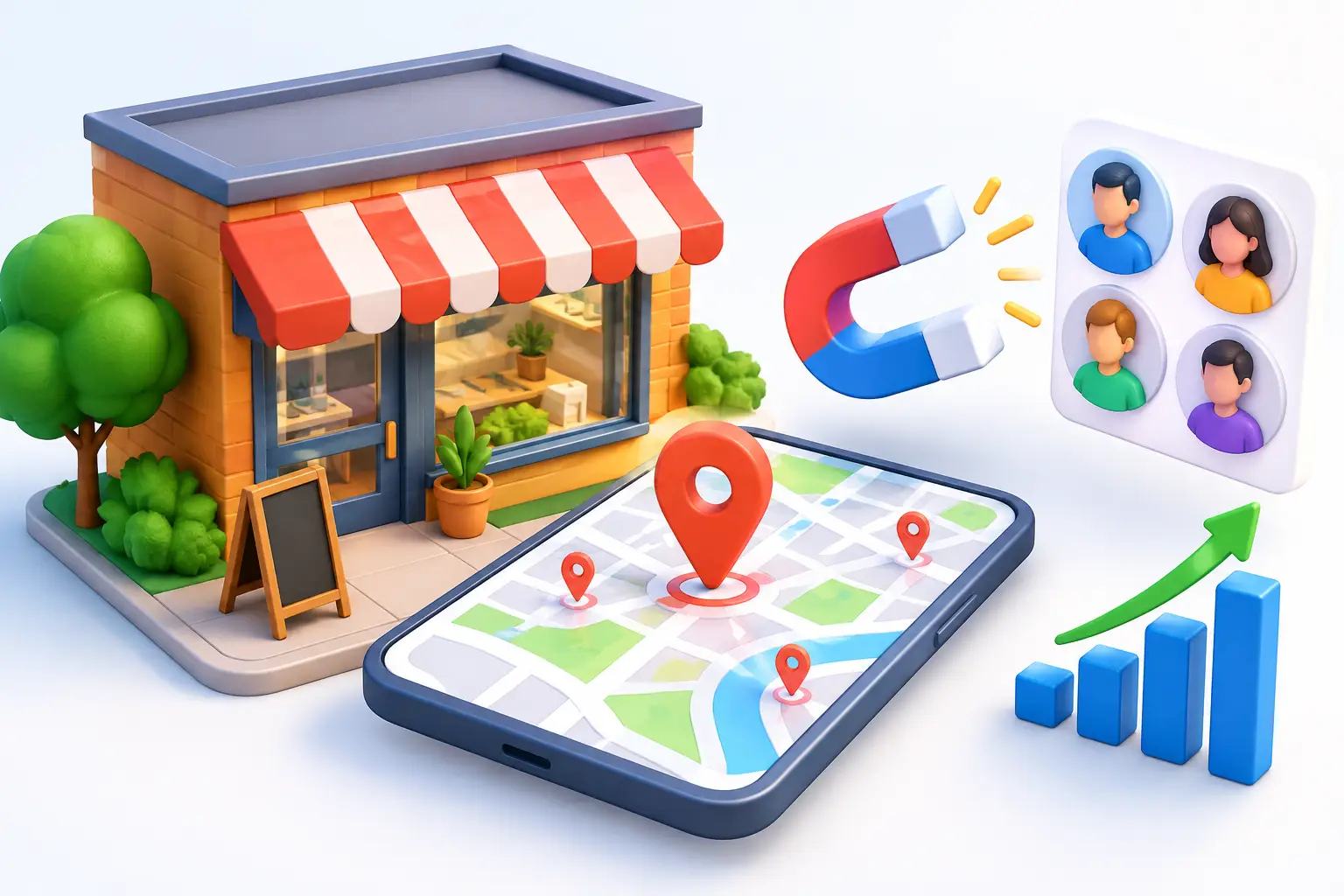
A homeowner searching for a plumber at 8:15 a.m. is not looking for a clever brand story. They want to know who serves their area, whether they can help today, and how to get an answer without waiting. That is the real job of a local lead generation guide: help your business show up at the right moment, make it easy to inquire, and follow up before the prospect calls someone else.
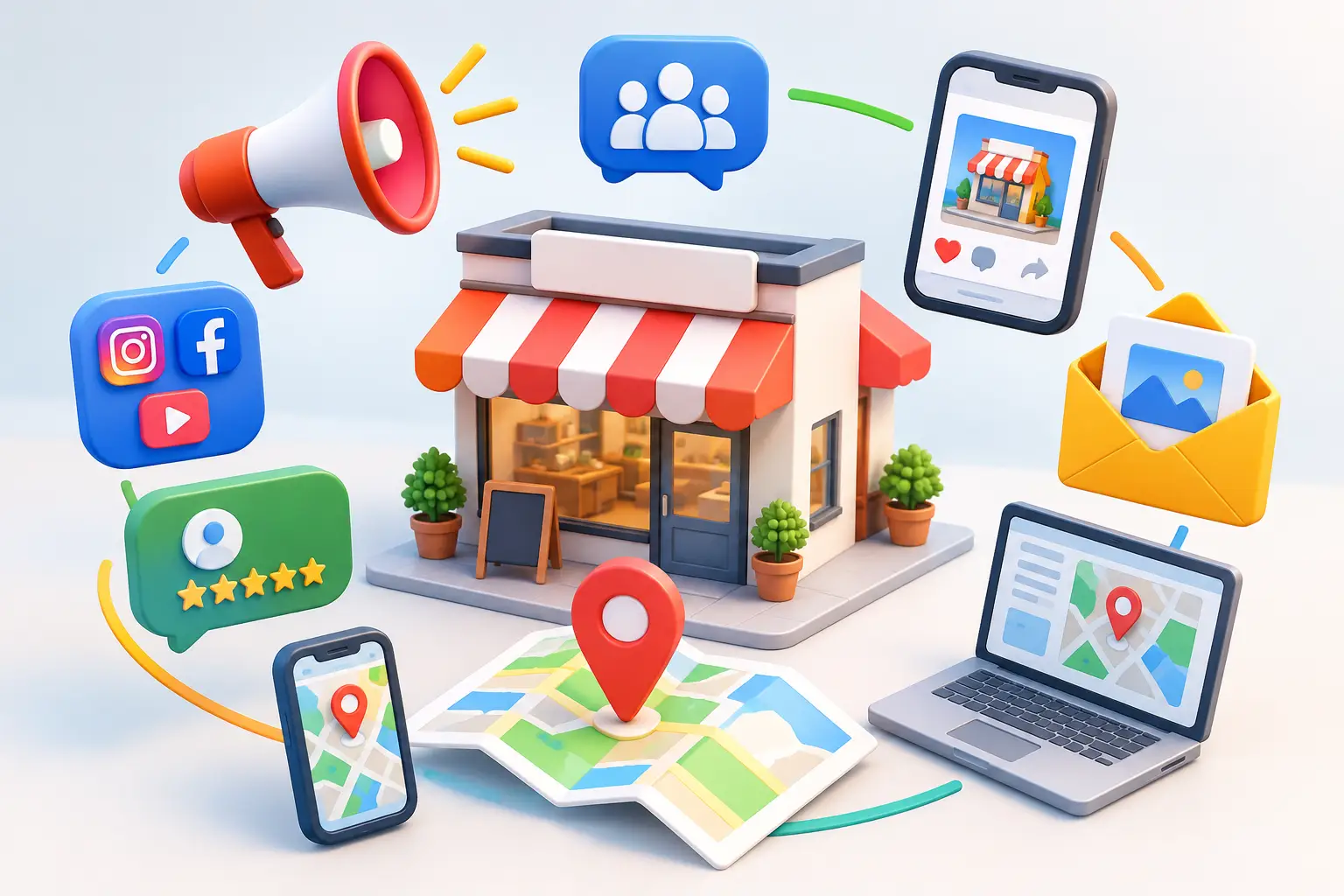
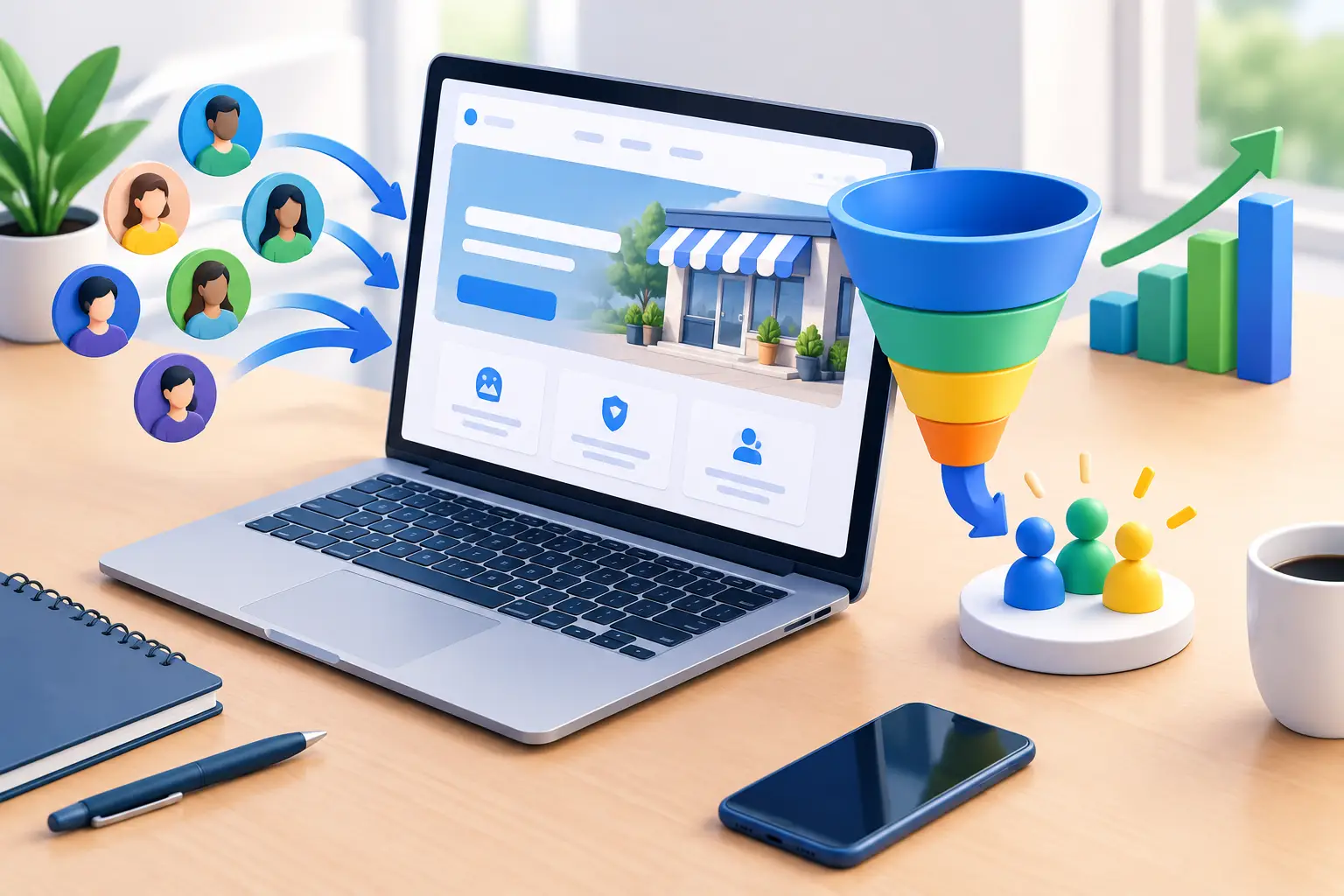
Local lead generation is not one tactic. It is a connected system that turns local attention into conversations, appointments, estimates, and sales. The good news is that small businesses do not need a huge marketing team or a pile of subscriptions to make it work. They need a clear offer, visible local proof, and a reliable process for handling every lead.
Start With the Local Customer You Want Most
“More leads” sounds like the goal, but it can create expensive chaos if the leads are not a good fit. Start by defining the customer, location, and service that produce the best return for your business.
A landscaping company may decide its best opportunity is recurring maintenance for homeowners within 15 miles, not one-time jobs across the county. A real estate agent may focus on move-up buyers in three neighborhoods rather than trying to reach every buyer in a major metro area. A consultant may target dental practices within a specific region that are ready to improve patient follow-up.
This focus shapes everything that follows: the words on your site, the campaigns you run, the reviews you request, and the questions your team asks when an inquiry arrives. It also helps you avoid paying for attention from people you cannot serve profitably.
Your offer needs to be equally clear. “Contact us for more information” is weak because it asks the prospect to do the work. Give them a useful next step, such as a same-week estimate, a free consultation, a service-area availability check, or an online booking option. The best offer reduces uncertainty without giving away more than makes business sense.
Build the Local Lead Generation Foundation
Before investing heavily in ads, make sure the places people already find you can convert interest into action. Many businesses lose leads not because they lack traffic, but because a prospect hits a dead end, sees outdated information, or has no quick way to get a response.
Make your business easy to verify
Local buyers look for reassurance. Keep your business name, phone number, service areas, hours, and core services consistent wherever customers may find you. Your website should quickly answer three questions: what do you do, where do you do it, and what should I do next?
Use service pages that speak plainly about the work you perform and the areas you serve. Avoid creating thin pages that merely swap city names. A page for “roof repair in Austin” should explain the problems you solve, the process, the type of properties you work on, and how a homeowner can request help.
Reviews are another form of proof. Ask satisfied customers for them consistently, not only when business is slow. Specific reviews are more persuasive than generic praise. A review that mentions fast communication, a neighborhood, or a service outcome helps the next buyer picture their own experience.
Want to know how you could improve your business?
Our team is available for a free consultation.
Remove friction from the first conversation
Every extra step between interest and contact lowers conversion. Give visitors straightforward options to call, submit a short form, text, or book time online, based on how people typically buy your service.
For urgent services, a phone call and rapid reply matter most. For coaching, consulting, or real estate, online scheduling can reduce back-and-forth and get qualified prospects into a conversation faster. For higher-ticket services, a short form that asks for location, timeline, and project type can help your team prioritize the best opportunities.
Do not make a form feel like an application. Ask only for information you will actually use in the next step, and capture the nearby buyers you attract with one of the best lead form apps.
Choose Channels Based on Buyer Intent
Not every local marketing channel deserves the same budget. The right mix depends on urgency, purchase value, competition, and how customers make decisions.
Search visibility is often a strong starting point because it captures existing demand. Someone searching for “emergency electrician near me” is much closer to taking action than someone casually scrolling through social media. Service businesses should prioritize being easy to find for high-intent searches, then make the contact path obvious.
Paid local ads can work well when you know the value of a booked job and can respond quickly. They are less effective when leads sit unanswered for hours or when your landing page sends people to a generic homepage. Start with a narrow service area and one profitable service. Track calls, forms, booked appointments, and closed revenue, not just clicks.
Local partnerships can create a steadier source of qualified leads. A home remodeler might build relationships with real estate agents. A fitness coach could partner with physical therapists. An agency may work with web designers who do not offer ongoing marketing. These partnerships work when the referral is easy and the client experience reflects well on both businesses.
Social content can support trust, especially for visual services or businesses with a strong community presence. But treat it as a proof channel, not your only lead source. Share real projects, useful answers, customer outcomes, and behind-the-scenes expertise. Then give people a direct path to inquire.
Speed to Lead Is a Competitive Advantage
The first business to respond professionally often wins, even when its price is not the lowest. Local prospects frequently contact two or three providers. If your response arrives tomorrow, you may already be out of the running.
Set a practical response standard. During business hours, aim to acknowledge every new lead within minutes, even if a full answer takes longer. A simple message can confirm receipt, set expectations, and offer a next step: “Thanks for reaching out. We serve your area and are checking availability now. Would you prefer a call or text?”
Automation helps you deliver this consistency without staying glued to your phone. An immediate email or text reply can confirm the inquiry. A follow-up reminder can notify your team if no one has responded. Appointment reminders can reduce no-shows. After a quote is sent, a short sequence can bring the conversation back to life without awkward manual chasing.
The trade-off is tone. Automation should feel helpful, not robotic or relentless. Use it to handle routine timing and handoffs, then let a real person handle complex questions, estimates, and concerns.
Turn Inquiries Into Qualified Opportunities
A lead is not a sale. You need a simple process that helps your team see where every prospect stands and what should happen next.
Create clear stages such as new inquiry, contacted, qualified, appointment booked, quote sent, won, and lost. The exact labels matter less than using them consistently. When leads are scattered across texts, inboxes, sticky notes, and personal phones, follow-up becomes a matter of memory. That is where revenue disappears.
Qualification should protect your time, not create barriers. Ask the questions that determine whether you can help: location, service needed, budget range when appropriate, timeline, and decision-maker status. Then guide the prospect to the right next step. A quick estimate may suit one business; a booked consultation may suit another.
Keep notes after each conversation. When a prospect calls back, they should not have to repeat the problem from the beginning. That small detail creates a more professional customer experience and makes a small company feel organized.
Measure Revenue, Not Marketing Activity
Local marketing gets better when you can see what is actually producing customers. Track lead source, response time, appointment rate, quote rate, close rate, and revenue by channel. If possible, also track how many customers return or refer someone else.
A channel that delivers fewer leads may still be your best investment if those leads close at a higher rate or become repeat customers. For example, a referral partner might send five leads per month while a paid campaign sends 30. If three referral leads become profitable jobs and only two paid leads do, the referral source may deserve more attention.
Review these numbers monthly. Look for bottlenecks rather than blaming the channel too quickly. If leads are plentiful but appointments are low, your offer or response process may need work. If appointments happen but sales are weak, review your qualification, pricing conversation, or follow-up after estimates.
Keep the System Simple Enough to Use
The biggest local marketing mistake is building a system nobody can maintain. A website in one tool, forms in another, scheduling elsewhere, email campaigns in a fourth app, texts on a personal phone, and lead notes in a spreadsheet creates gaps at every handoff. It also adds cost without guaranteeing better results.
A connected platform can centralize lead capture, conversations, appointment booking, pipeline tracking, and follow-up automation so your team has one view of the customer. TwiLead is built around that practical outcome: helping small businesses generate leads, close sales, and avoid paying for a stack of disconnected tools.
Start with one service, one local audience, and one dependable path from inquiry to follow-up. When every lead receives a fast, helpful response and your team knows exactly what to do next, local growth becomes far less mysterious and much more repeatable.