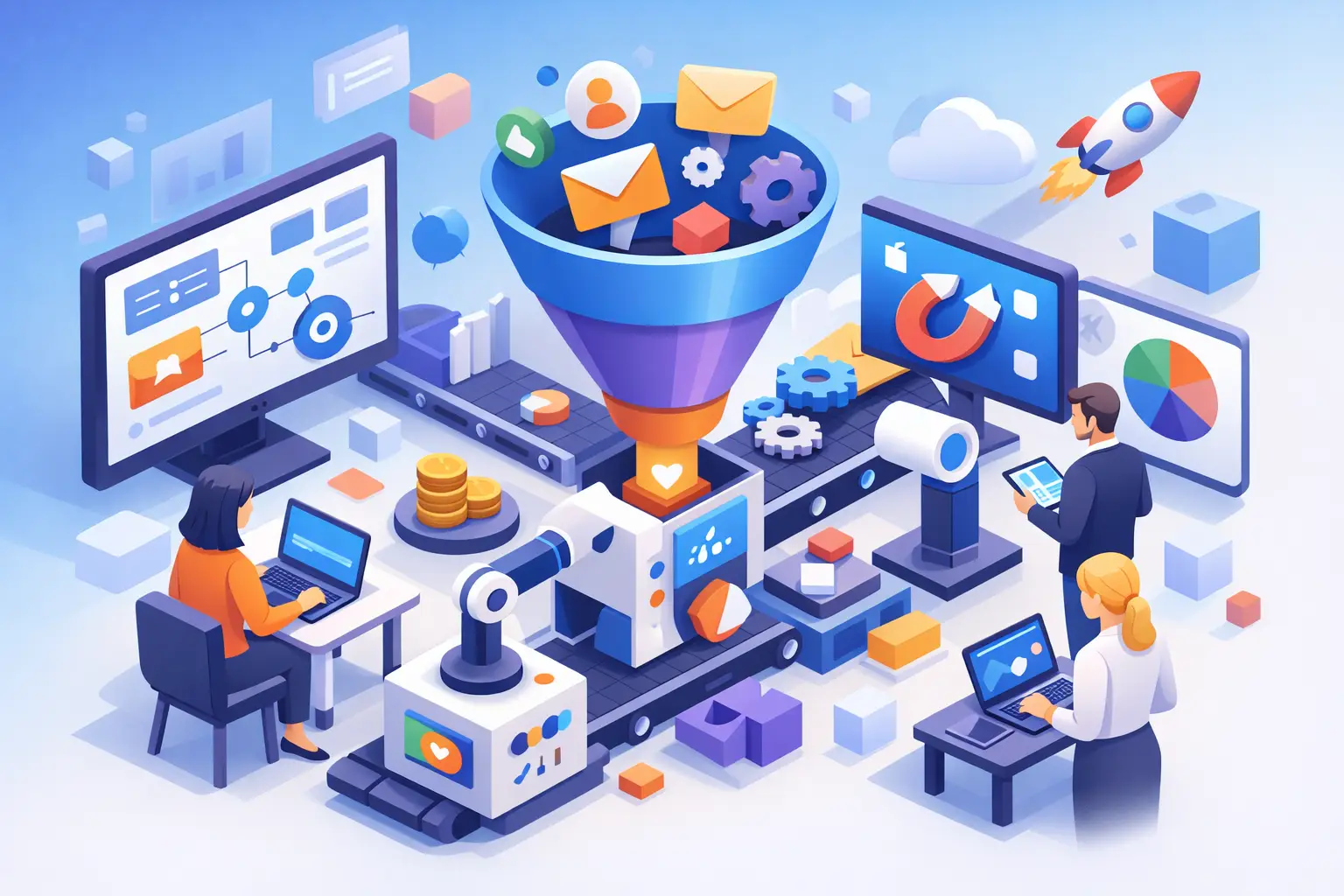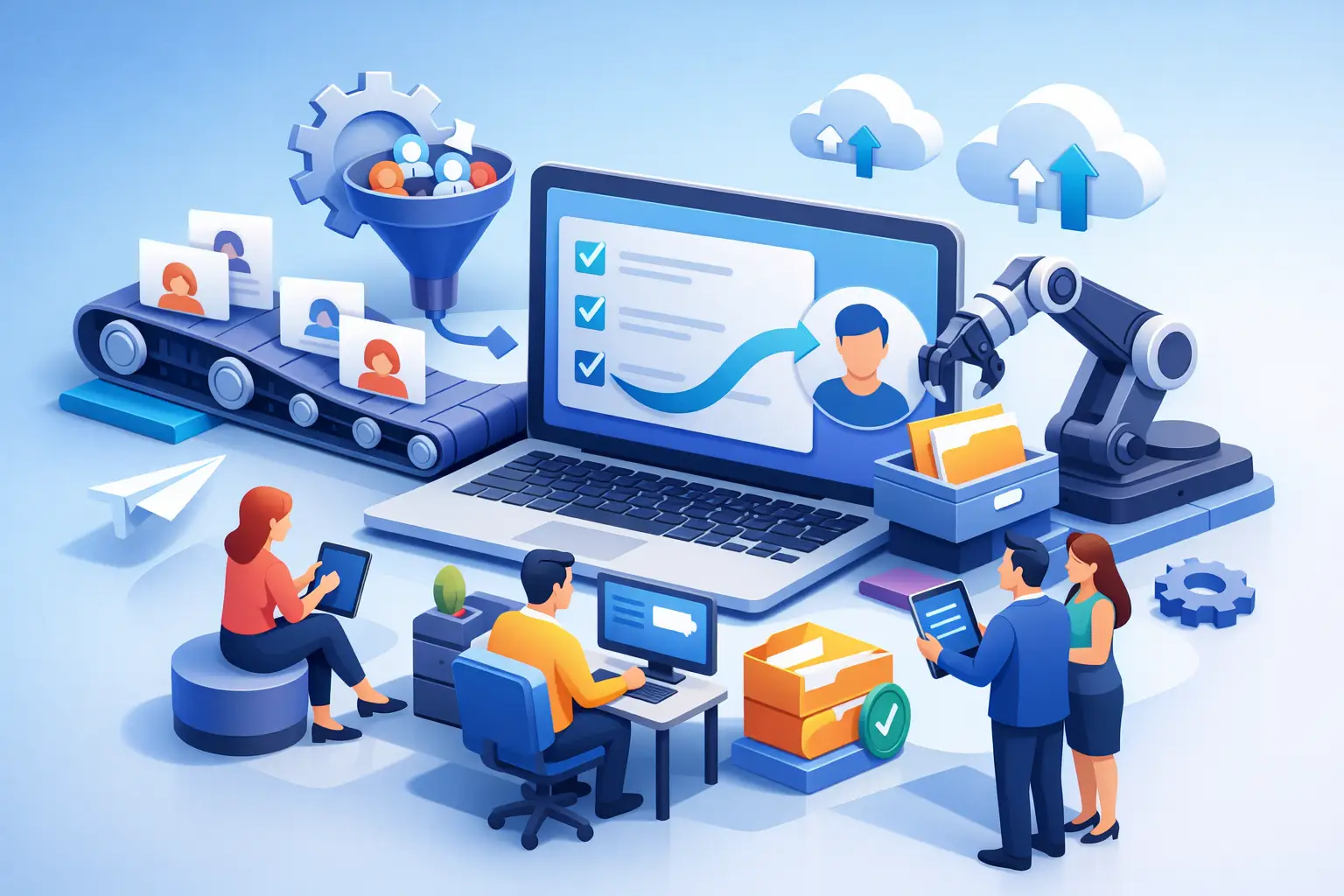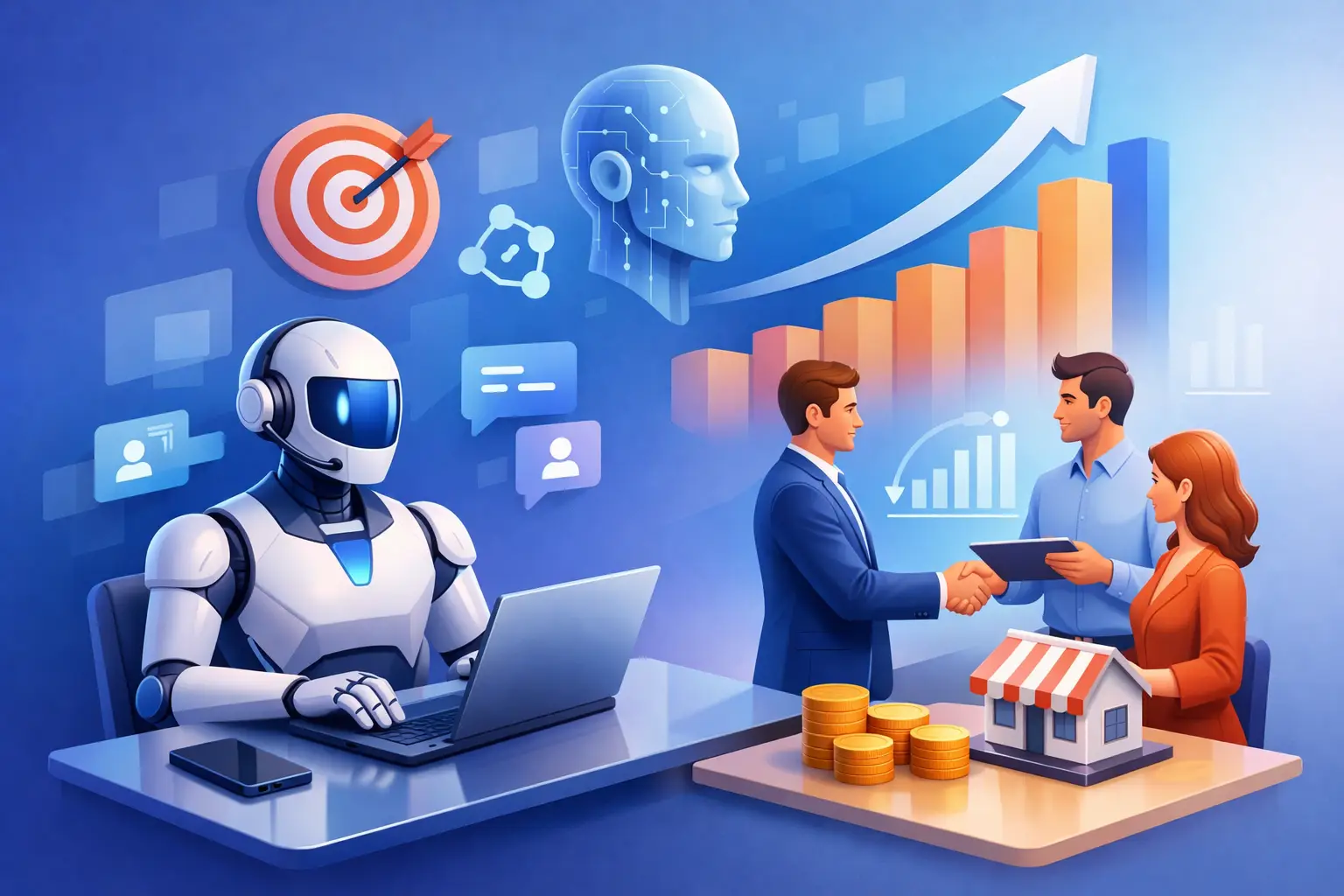
A missed lead at 9:14 p.m. should not turn into lost revenue by morning. Yet that is exactly what happens when a small sales team is buried in inboxes, switching between a CRM, a scheduler, a chatbot, and three different follow-up tools. That is why ai sales reps are getting serious attention from growing businesses that need faster response times without adding headcount or more software.
For small and mid-sized teams, the appeal is simple. AI sales reps can handle the repetitive work that slows down selling – instant replies, lead qualification, follow-up sequences, appointment booking, CRM updates, and handoffs to human reps when the conversation gets real. The promise is not magic. The promise is speed, consistency, and fewer dropped opportunities.
What ai sales reps actually do
The term gets thrown around loosely, so it helps to get specific. AI sales reps are software agents trained to perform parts of the sales process that usually eat up time but do not always require human judgment. They can answer common questions, route leads, ask qualifying questions, send reminders, re-engage cold prospects, and book meetings.
The best systems do more than chat. They work across email, SMS, website forms, live chat, and calendars while keeping activity synced inside your CRM. That matters because an AI rep that talks to leads but leaves your data scattered across tools creates a new problem instead of solving one.
Think of them less like a full replacement for closers and more like tireless pre-sales operators. They do the work a sales coordinator, SDR, and follow-up assistant might split between them, except they do it around the clock and without forgetting who needs a reminder on Thursday.
Why small businesses are adopting ai sales reps now
Most small businesses do not have a lead generation problem. They have a lead management problem. Leads come in from ads, landing pages, social media, referrals, and web forms, then sit too long because the team is already juggling demos, proposals, and customer issues.
That delay is expensive. Speed to lead still matters. The first business to respond usually has the best chance of starting the conversation, shaping expectations, and booking the next step. AI sales reps help close that gap by replying instantly and keeping momentum alive after the first touch.
There is also a software cost issue. Many companies built their sales process by stacking one tool on top of another. One platform for CRM, another for email marketing, another for scheduling, another for chat, another for workflows. Before long, the team is paying enterprise-style monthly bills for a setup that still feels messy. AI only becomes valuable when it reduces work inside a simpler system. If it adds another dashboard, it is not progress.
Where AI sales reps deliver the biggest wins
The clearest win is follow-up. Human reps are great at high-value conversations, but they are not built to send instant responses to every inquiry, chase every no-show, and revive every stale lead at scale. AI is.
When someone fills out a form, an AI rep can respond in seconds, ask a few qualifying questions, suggest appointment times, and log everything in the contact record. If the prospect is not ready yet, the same system can place them into a nurture flow and check back later.
Another strong use case is inbound qualification. Not every lead deserves a rep call right away. AI can ask about budget, company size, timeline, service need, or location before a human spends time on the wrong conversation. That protects your sales calendar and keeps your team focused on deals with real potential.
Reactivation is another underrated area. Most businesses are sitting on old leads that never got enough follow-up. AI sales reps can work that list automatically, restart conversations, and surface people who are now ready to buy. That is often cheaper than spending more on ads.
What AI sales reps cannot do well
This is where some of the hype falls apart. AI is excellent at process. It is weaker at nuance.
If your sale depends on complex discovery, emotional trust, negotiation, or reading between the lines, a human still needs to lead. AI can tee up the conversation, but it usually should not own the close for high-consideration deals. A prospect deciding on a major service contract or a custom B2B agreement wants confidence, not a clever script.
AI also struggles when the business has not defined its sales process. If your lead stages are vague, your qualification criteria are inconsistent, and your follow-up logic lives inside one rep’s memory, adding AI will expose the chaos. Automation works best when your workflow is already clear enough to repeat.
So the real question is not whether AI can sell everything. It is whether it can remove enough low-value manual work to let your team sell better. In most small businesses, the answer is yes.
How to evaluate ai sales reps without getting burned
A flashy demo means very little if the setup is painful or the data ends up fragmented. Start with the basics.
First, check whether the AI rep is connected to your CRM, calendar, inbox, and communication channels. If your team still has to manually move data between systems, you are paying for a partial fix.
Second, look at the handoff process. A good AI rep knows when to pass the conversation to a human and includes the full context so the buyer does not have to repeat themselves. That handoff is where a lot of tools fail.
Third, evaluate customization. You need control over qualification rules, messaging tone, appointment logic, and follow-up timing. A generic script is not enough if you sell different services, serve different customer segments, or route leads by territory.
Fourth, pay attention to pricing. This matters more than vendors like to admit. Some AI tools look affordable until you hit user limits, contact caps, feature gates, or add-on charges for basic functionality. For a small business, the smartest setup is usually the one that combines CRM, automation, communication, and AI in one plan instead of charging you separately for every layer.
AI sales reps work best inside one operating system
This is the part many companies miss. AI sales reps are not just about smarter conversations. They are about tighter operations.
If your AI rep captures a lead, schedules a meeting, sends reminders, updates the pipeline, triggers email follow-up, and alerts the right salesperson from the same platform, you get real leverage. If those steps happen across five disconnected apps, the efficiency gains shrink fast.
That is why consolidation matters. A platform like TwiLead makes more sense for small businesses than a bloated stack because the value is not just the AI itself. The value is having AI, CRM, booking, marketing, conversations, and workflows in one place with one price and no upgrade games. For a growth-focused team, that is not a nice-to-have. It is how you stay fast without adding operational clutter.
When to roll out AI sales reps
The right time is usually earlier than most teams think. You do not need a 100-person sales org to benefit. If you are handling a steady stream of inbound leads, sending a high volume of follow-ups, or losing deals because responses are delayed, the case is already there.
The best rollout starts small. Put AI on one part of the funnel first – inbound qualification, missed call text-back, meeting booking, or stale lead reactivation. Measure response time, booked appointments, no-show rates, and rep time saved. Once the workflow proves itself, expand from there.
What you should not do is turn on automation everywhere at once. That usually creates bad messaging, poor routing, and a team that no longer trusts the system.
The real advantage is not labor replacement
Business owners sometimes hear « AI sales reps » and assume the main benefit is cutting payroll. That is too narrow.
The bigger win is consistency. Human reps have off days. They miss reminders, forget to log notes, and let warm leads cool off while handling urgent tasks. AI does not replace strong salespeople. It makes them harder to outwork by taking care of the repetitive actions that move deals forward.
For small businesses especially, that matters more than any futuristic promise. You do not need a machine to become your top closer. You need a system that responds faster, follows up longer, books more meetings, and keeps your pipeline organized without forcing your team to babysit software all day.
That is where ai sales reps earn their keep. Not as a gimmick, and not as a full substitute for human selling, but as a practical way to help a lean team operate like a much larger one. If your growth is being held back by slow follow-up, scattered tools, and too much manual admin, the smartest next hire may not be a hire at all.