Most small business websites fail before design is even the problem. They sit half-finished for weeks, depend on too many tools, or go live looking decent but doing nothing for lead generation. If your goal is to créer un site sans coder, the real win is not just publishing pages. It is building something that captures attention, collects leads, books appointments, and supports sales without adding more software chaos.
That is why no-code website building has become such a practical move for freelancers, consultants, agencies, and local businesses. You do not need to hire a developer for every update. You do not need to wait three months for a basic launch. And you definitely do not need a patchwork of disconnected apps just to run a contact form, calendar, email follow-up, and landing page.
Why creating a site without code is now a smart business move
A few years ago, building without code often meant accepting trade-offs. Templates felt rigid, customization was limited, and serious businesses still leaned toward custom development. That gap has narrowed fast.
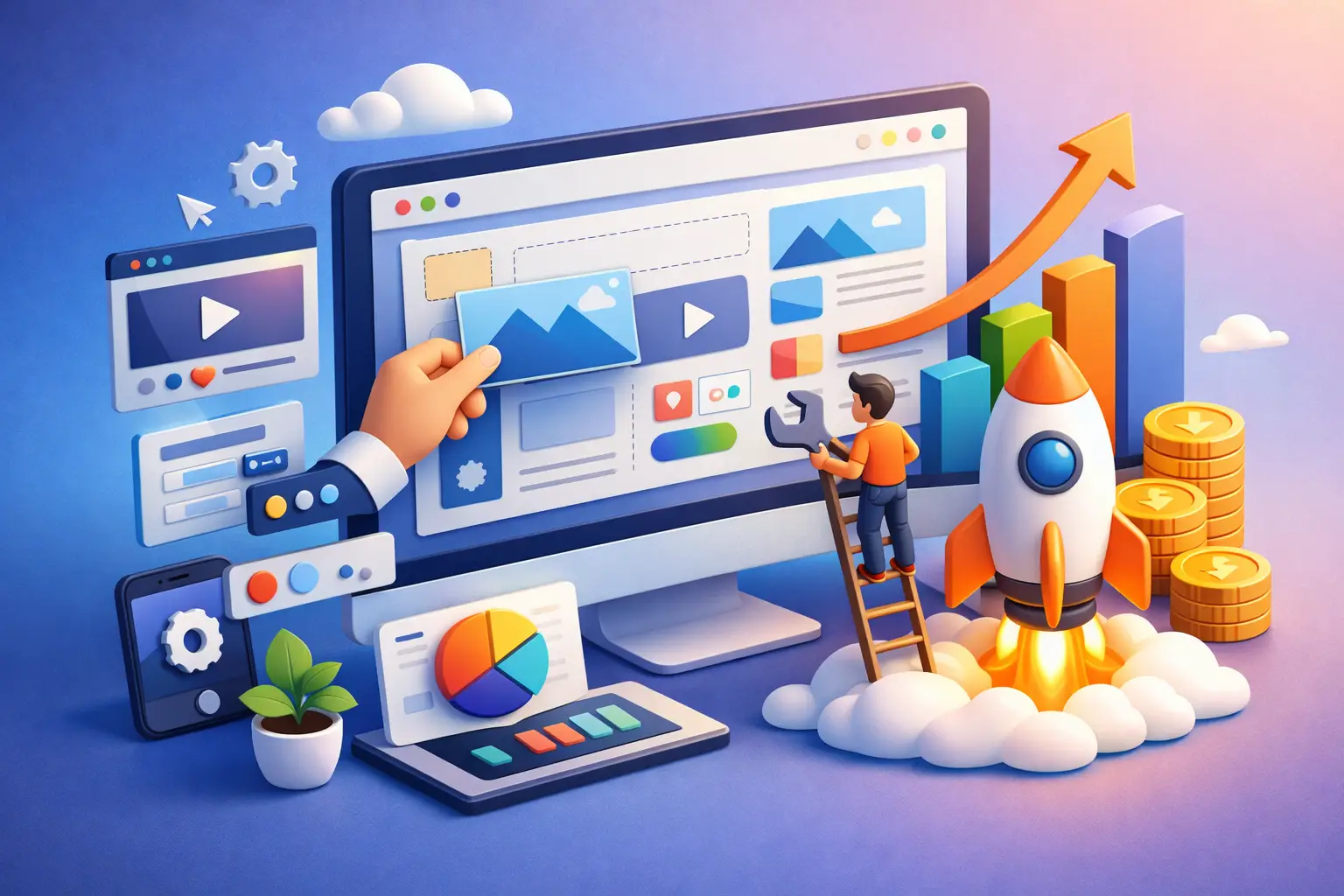
Today, you can create a polished website, add forms, connect booking, collect payments, run email sequences, and track leads from one interface. For a small business, that changes the economics completely. Instead of paying a developer for setup, a designer for revisions, and multiple software subscriptions for the pieces around your site, you can get online quickly and keep control in-house.
Speed matters, but ownership matters more. When you can update your own offer, swap testimonials, add a new landing page, or launch a seasonal promotion in minutes, your website becomes an active sales asset instead of a static brochure.
That said, no-code is not magic. It saves time and money when your needs are clear. If you need a highly custom product, advanced app logic, or deep engineering flexibility, a coded build may still make sense. But for most service businesses and lean teams, no-code covers far more than people think.
What “créer un site sans coder” should actually mean
A lot of people hear “no-code website” and think drag, drop, done. That is only half the story.
If you are serious about growth, creating a site without code should mean four things. First, you can launch without technical friction. Second, you can manage updates yourself. Third, your website connects directly to lead capture and follow-up. Fourth, it does not force you into buying five other tools just to make it useful.
That last point is where many businesses get trapped. They choose a website builder because it looks easy, then realize they still need separate tools for CRM, scheduling, email marketing, automation, chat, forms, and reporting. The site may be no-code, but the business stack becomes a mess.
A website should not live on an island. It should feed your pipeline.
Start with the business goal, not the template
Before you pick colors, fonts, or sections, decide what the site needs to do.
A consultant may need a simple authority site with a lead magnet and booking flow. A local service business may need calls, quote requests, reviews, and service-area pages. A coach may need landing pages, email capture, appointments, and a payment option. An online seller may need product pages, checkout, and abandoned cart follow-up.
The mistake is building for appearance first. A clean layout helps, but structure drives results. If the site does not guide visitors toward one clear action, more design will not save it.
This is why the best no-code websites are usually simple. Strong headline. Clear offer. Proof. One primary call to action. Friction-free form or booking. Follow-up baked in.
The pages most small businesses actually need
You probably need fewer pages than you think.
For many businesses, a high-performing site starts with a home page, a services or product page, an about page, a contact or booking page, and one or more landing pages for campaigns. That is enough to validate your offer and start generating leads.
What matters more is what happens on those pages. Your homepage should tell visitors who you help, what problem you solve, and what they should do next. Your service pages should focus on outcomes, not jargon. Your contact page should reduce effort. If someone is ready to talk, they should not have to hunt for the next step.
Landing pages deserve special attention. They are often where paid traffic, email campaigns, and social promotions convert best. A no-code platform that lets you publish unlimited landing pages quickly gives you a real growth advantage, because testing offers becomes easier and cheaper.
Design matters, but clarity wins
You do not need a flashy website. You need a website that feels credible in five seconds.
That means clean spacing, readable text, mobile-friendly layout, fast load times, and consistent branding. It also means resisting the urge to say everything at once. Most small business sites are overcrowded because the owner is trying to prove value through volume. Visitors do not read volume. They scan for relevance.
Clear copy beats clever copy. Strong proof beats decorative sections. A visible call to action beats another paragraph about your passion.
This is one of the biggest advantages of no-code tools. They force some constraints, and constraints often improve focus. You are less likely to build something overcomplicated when the system nudges you toward practical structure.
The real difference between a website and a growth system
Here is where many no-code conversations stay too shallow. Publishing pages is easy. Building a site that supports revenue is the real job.
A useful business website should capture every inquiry, route it into a contact record, trigger follow-up, and help you track where the lead came from. If someone fills out a form and that lead just lands in your inbox, you have not built a system. You have created another manual task.
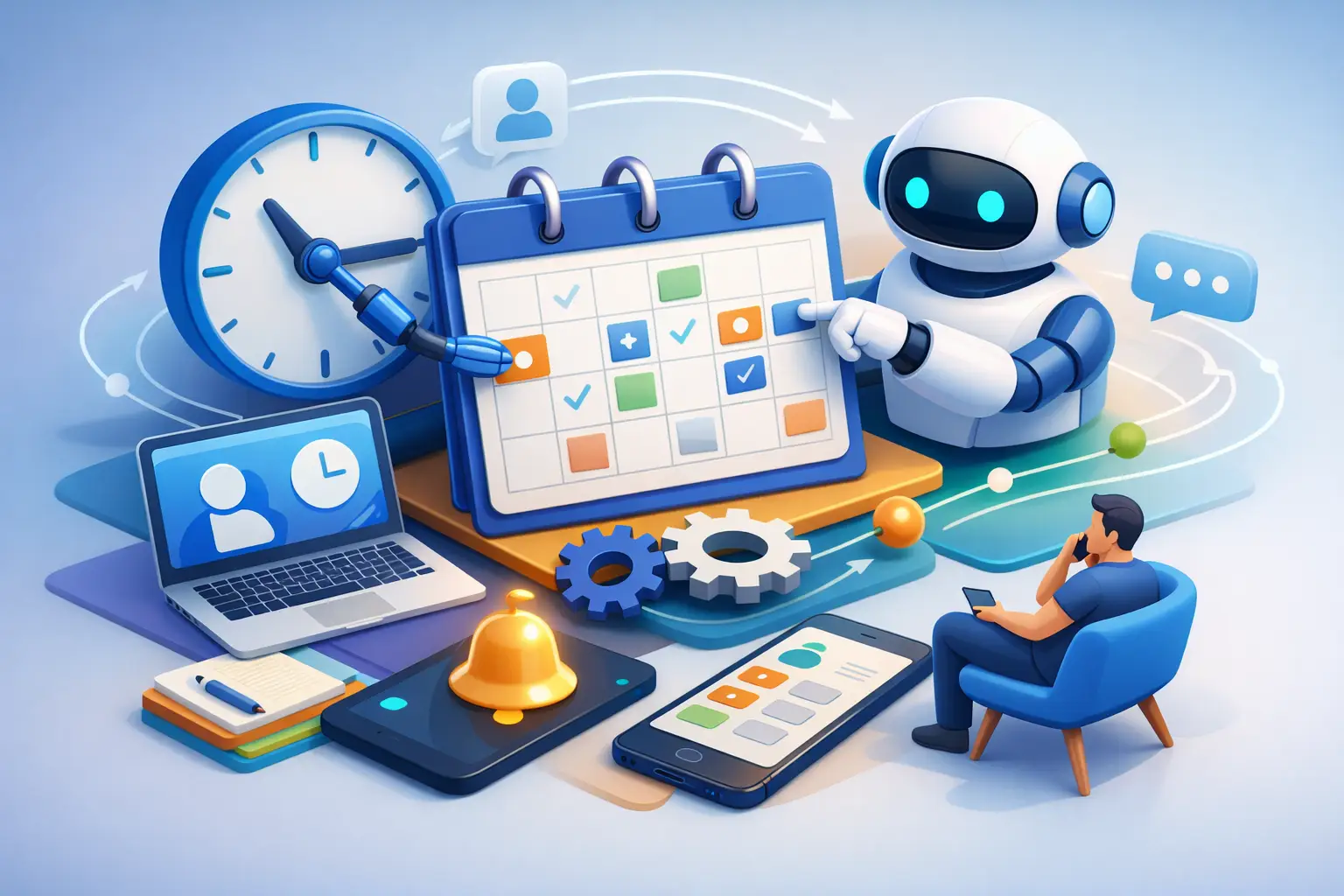
The strongest setup connects website, CRM, email, calendar, and automation in one flow. Someone visits your page, submits a form, gets an instant response, books a call, and enters a pipeline. No copy-pasting. No forgotten leads. No paying for separate tools that barely talk to each other.
That is why platform choice matters more than template choice. The cheapest website builder is not always the cheapest option once you add email software, appointment scheduling, form tools, chat, and automation.
How to choose the right no-code solution
If you want to créer un site sans coder and keep your operation lean, evaluate platforms through a business lens.
Look at ease of use first. If basic edits feel confusing, your team will avoid updating the site. Then check what is built in versus what requires integrations. A builder that includes forms, booking, funnels, CRM, automation, and email marketing can remove a lot of subscription fatigue.
Also look at scalability. Can you add landing pages without extra charges? Can multiple team members use it without paying per seat? Can it support both a simple brochure site and more advanced marketing workflows later?
For small businesses, this is often the hidden cost killer. What starts as a cheap monthly website plan becomes expensive once every meaningful feature sits behind another tool or upgrade.
That is one reason all-in-one platforms are gaining traction. Instead of stitching together website software, email marketing, scheduling, chat, pipeline tracking, and automation, you manage everything in one place. TwiLead is built around exactly that logic – helping small businesses replace fragmented tools with one system that can publish pages and move leads through the full sales process.
Common mistakes when building without code
The first mistake is trying to build a huge site before proving what converts. Start lean. Launch the core pages. Add more only when needed.
The second is ignoring mobile experience. Most visitors will see your site on their phones first. If buttons are hard to tap, text is cramped, or forms feel annoying, conversion drops fast.
The third is forgetting follow-up. A contact form without automation is a leak. If leads wait hours or days for a response, your website is underperforming even if traffic is solid.
The fourth is choosing based on design alone. Pretty interfaces sell software, but business results come from workflow, data, and speed of execution.
When no-code is enough and when it is not
For most service businesses, creators, coaches, agencies, and local operators, no-code is more than enough. You can launch fast, iterate quickly, and stay in control.
If you are building a custom SaaS product, a heavily engineered marketplace, or a platform with unusual backend requirements, no-code may eventually hit limits. That does not make it the wrong choice at the start, but it does mean you should be honest about your roadmap.
The right question is not whether no-code can do everything. It is whether it can do what your business needs now while keeping costs, complexity, and maintenance under control.
For most small businesses, the answer is yes.
A website should not become another project that drains time and budget. It should become the place where interest turns into action. If you can build it without code, manage it without stress, and connect it to your sales process, you are not just launching a site. You are giving your business a faster way to grow.