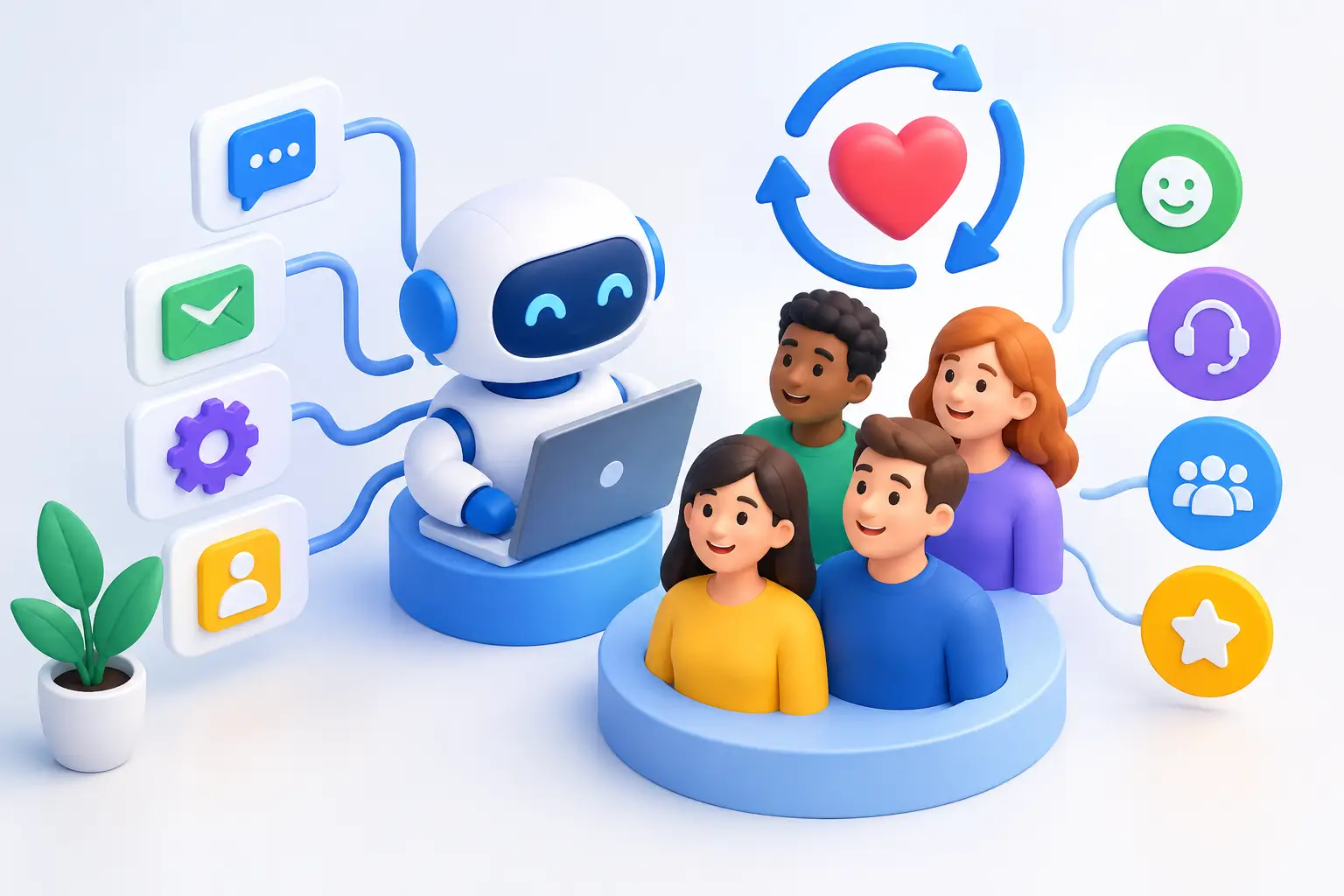
A customer who has already paid you should not have to wonder whether you remember them. Yet that is exactly what happens when follow-up depends on an owner finding time between sales calls, service delivery, and daily emergencies. So, can automation improve customer retention? Yes, when it helps your business respond consistently, stay useful after the sale, and notice problems before a customer quietly leaves.
Automation is not a replacement for a real relationship. It is the system that makes sure routine moments do not fall through the cracks. For small businesses, that consistency can protect revenue far more reliably than chasing a constant stream of new leads.
Can Automation Improve Customer Retention? It Can, With the Right Triggers
Retention improves when customers get the right message or action at the right stage of their experience. A generic monthly email sent to everyone rarely creates loyalty. A timely appointment reminder, a check-in after a project, or a quick response to a question often does.
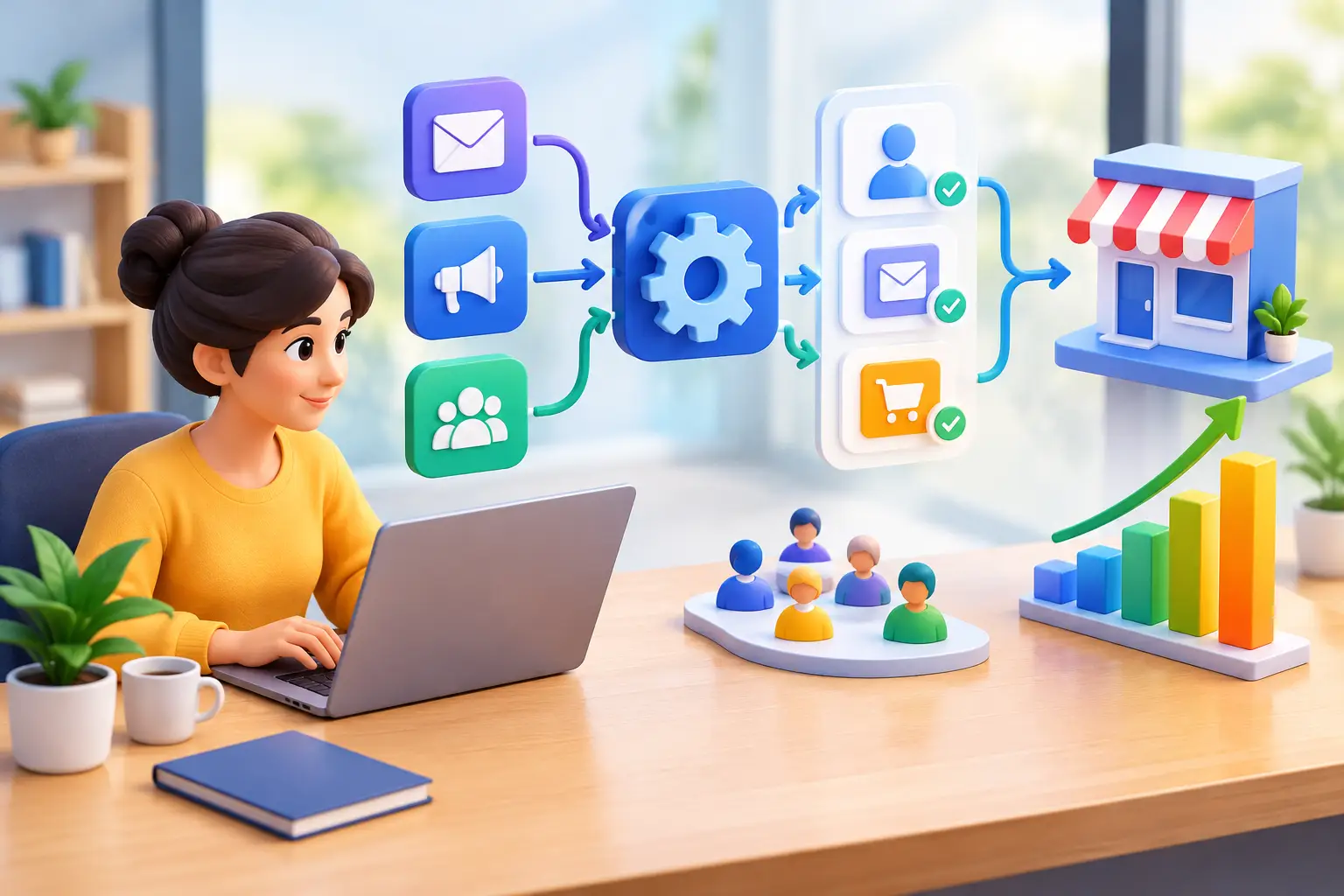
The difference is context. Automation should react to something meaningful: a new purchase, a completed appointment, an inactive customer, an unanswered message, or a support concern. These triggers let a small team deliver the kind of attentive experience customers usually associate with larger companies.
For example, a local HVAC company can automatically send a maintenance reminder six months after a service visit. A coach can send a short check-in after a client finishes a program. A real estate professional can send useful homeowner resources after closing rather than disappearing until the next referral request. None of these messages needs to be complicated. They need to be relevant and on time.
The Retention Problem Is Usually Inconsistent Follow-Up
Most customers do not leave because a business made one obvious mistake. They leave because the experience becomes forgettable, slow, or inconvenient. A missed callback, no reminder before a renewal, or silence after a purchase tells customers they are on their own.
Manual follow-up works until business gets busy. Then the best customers can receive the least attention because the owner is focused on urgent work and new opportunities. Automation creates a dependable baseline, so every customer receives essential communication even during a packed week.
That baseline can include confirmation messages, appointment reminders, post-purchase education, review requests, renewal notices, and reactivation campaigns. It also gives you visibility. Instead of relying on memory or scattered notes, you can see who has not booked again, who has not opened a message, and which customers need personal outreach.
Four Retention Automations That Produce Real Value
Not every automated workflow deserves to exist. Start with the moments that affect customer confidence, convenience, and repeat purchases.
- Appointment confirmations and reminders: Reduce no-shows and help customers arrive prepared. Include the date, time, location or meeting link, and an easy way to reschedule.
- Post-purchase check-ins: Send a brief message after a service, delivery, or onboarding milestone. Ask whether the customer has what they need and provide one clear next step.
- Reactivation messages: Contact customers who have been inactive longer than their typical buying cycle. Offer a useful reason to return, such as seasonal maintenance, a follow-up session, or a relevant update.
- Feedback and review requests: Ask after a positive interaction, not at random. Feedback helps you identify friction, while reviews strengthen trust with future buyers.
A fifth workflow is often worth adding once the basics work: alerts for your team when a valuable customer replies, misses an appointment, gives poor feedback, or reaches a renewal date. The message can be automated, but the response to a warning sign should often be personal.
Use Automation to Make Customers Feel Remembered
The strongest retention messages acknowledge the customer’s actual relationship with your business. “Just checking in” is weaker than “Your quarterly service window is coming up. Would you like to reserve a time that works for you?”
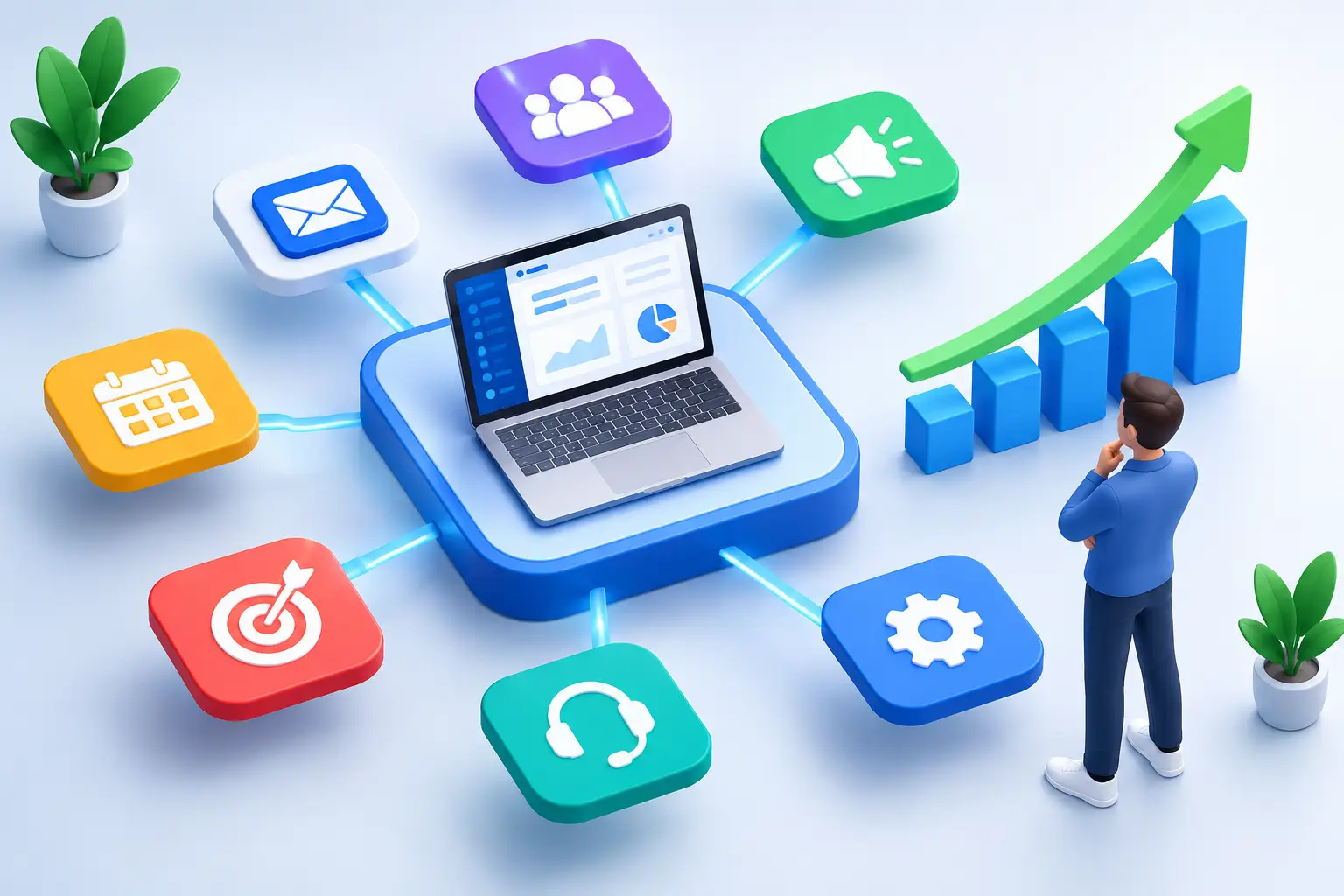
Your CRM should hold the details needed to make that possible: what the customer bought, when they last engaged, their preferred service, and the stage they are in. With that information organized in one place, automation can send communication based on behavior instead of a broad, impersonal list.
This is especially valuable for businesses with repeat cycles. A salon can prompt rebooking based on the last appointment. An agency can schedule performance check-ins after a campaign launch. A consultant can offer a progress review at the point when clients commonly need accountability. These are not aggressive sales messages. They are useful prompts that reduce the effort required to continue doing business with you.
Keep Human Judgment Where It Matters
Automation has limits. It should not send a cheerful upsell email to a customer who just submitted a complaint. It should not keep repeating reminders after someone has replied. And it should not create an endless stream of messages simply because your software makes sending easy.
Build simple guardrails. Pause promotional messages when a customer has an open issue. Stop a workflow when they book, buy, or respond. Set a reasonable frequency limit, especially for SMS. Then create an internal alert when the situation needs a person rather than another sequence.
The goal is not to automate every interaction. The goal is to automate predictable, repeatable communication so your team can spend more time on conversations that require care, expertise, and judgment.
Measure Retention Before You Add More Tools
You cannot improve what you only notice anecdotally. Start by tracking a few numbers that show whether customers are returning and whether automation is helping.
Look at repeat purchase rate, rebooking rate, no-show rate, renewal rate, time between purchases, and the number of inactive customers brought back. For service businesses, even a modest drop in no-shows or a small increase in rebookings can create meaningful revenue without increasing ad spend.
Also compare results by workflow. If appointment reminders reduce missed visits, keep refining them. If a reactivation campaign gets no response, reconsider the timing and offer before sending more messages. Retention is not about creating the most workflows. It is about improving the few customer moments that have the greatest impact on repeat revenue.
Avoid the Fragmented-Tool Trap
A retention strategy breaks down when customer details live in one system, booking in another, email in a third, texts in a fourth, and follow-up tasks in someone’s inbox. The information may exist, but using it becomes slow and unreliable.
A connected platform makes it easier to move from insight to action. For example, when a customer books, the system can confirm the appointment, schedule reminders, update their record, and prompt a follow-up after the service. That is less administrative work and fewer chances for a customer to be overlooked.
This is where an all-in-one platform such as TwiLead can be practical for a growing small business. Bringing CRM, booking, customer communication, payments, and workflows together can reduce both software costs and the manual handoffs that weaken the customer experience. Still, the platform is only the foundation. The retention result comes from using it to deliver relevant help consistently.
Start Small and Earn the Right to Automate More
Choose one point where customers commonly drift away. It might be after an initial consultation, between routine service visits, or just before a membership renewal. Build one automated workflow for that moment, make the message useful, and track its impact for 30 to 60 days.
Then improve it. Test the timing, simplify the call to action, and add a personal follow-up for customers who show interest or frustration. Once that workflow proves its value, move to the next retention gap.
Customers rarely ask whether your follow-up was automated. They notice whether it was helpful, timely, and easy to act on. Build your systems around those three standards, and retention stops being something you hope for after the sale. It becomes a repeatable part of how you grow.