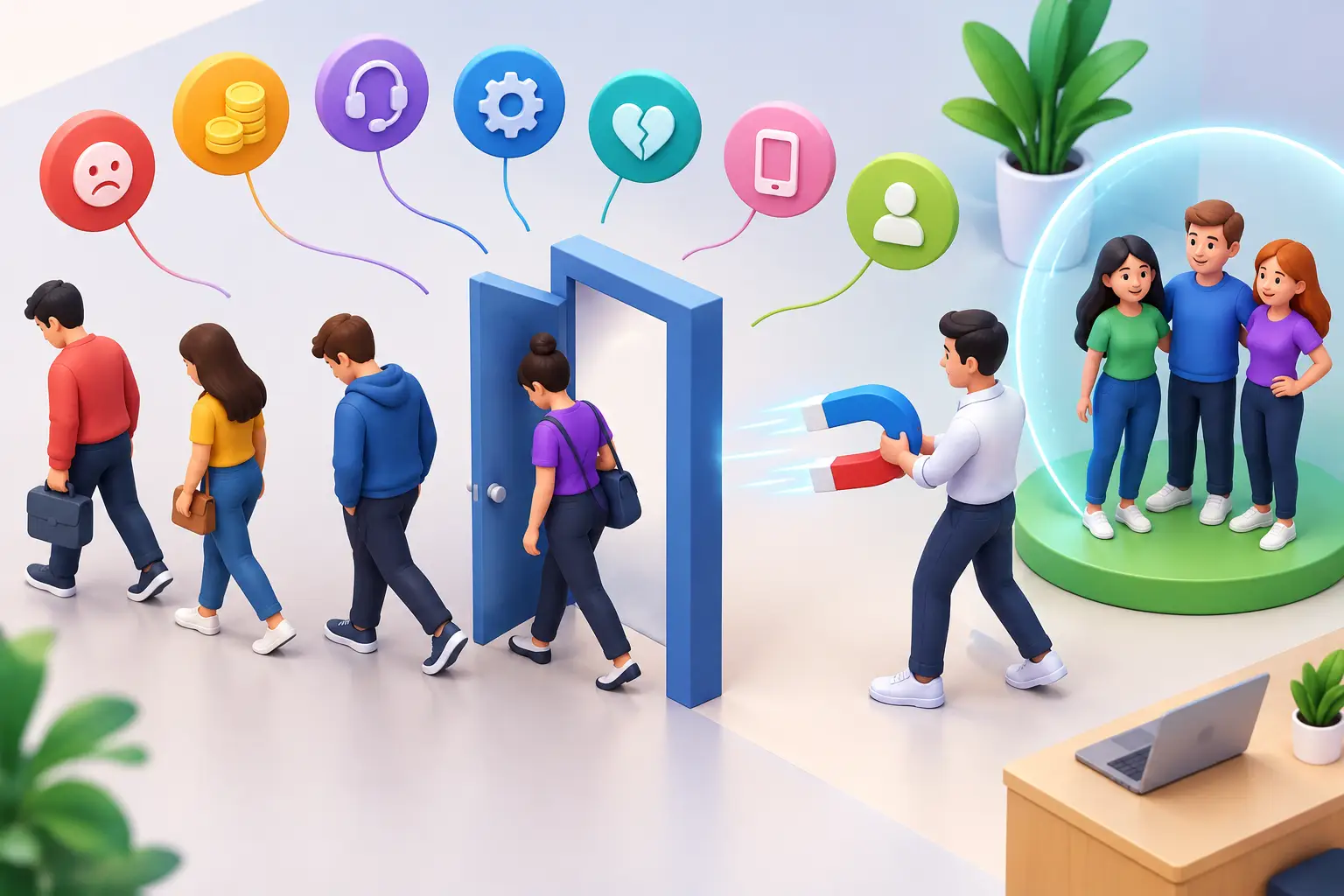
A customer who quietly disappears is more expensive than a lead who never converted. You already spent time, ad dollars, and effort earning their trust. Customer churn causes usually do not begin with one dramatic mistake. More often, they build through small frustrations: a slow reply, an unclear next step, an appointment reminder that never arrives, or a customer who feels forgotten after paying.
For small businesses, retention is not a side project. It is one of the fastest ways to protect revenue and grow without constantly increasing your marketing budget. The good news is that most churn is visible before it happens, and many of its causes are within your control.
What Customer Churn Actually Costs
Customer churn is the rate at which customers stop buying, cancel a recurring service, fail to renew, or simply choose another provider. A one-time buyer may churn by never coming back. A coaching client may stop renewing. A local service customer may call a competitor the next time they need help.
The loss is bigger than the most recent sale. You also lose future purchases, referrals, reviews, and the value of the relationship you worked to create. If you replace churned customers only by buying more leads, growth becomes increasingly expensive.
That is why retention deserves the same attention as lead generation. Better follow-up, clearer communication, and a simple customer experience can often produce more revenue than another campaign alone.
The Most Common Customer Churn Causes
1. Slow or inconsistent follow-up
Speed matters most when a prospect first reaches out, but it still matters after they become a customer. When questions sit unanswered, customers start to wonder whether they made the right choice. They may not complain. They may just stop responding.
This is especially common in service businesses where the owner is balancing calls, jobs, invoices, and marketing. A lead form comes in after hours, a customer texts with a question during a busy appointment, and the response gets delayed until tomorrow. By then, the customer may have found someone else.
Set a clear standard for response times. Use automatic confirmations to let people know their message was received, then create reminders so no conversation goes cold. Automation should handle the routine acknowledgment, while you handle the human conversation that earns trust.
2. Customers do not see value quickly enough
People rarely cancel because they dislike a product or service in theory. They leave because they do not see enough practical value for the price, effort, or attention required.
A consultant may deliver a strong strategy but leave the client unclear about the first action to take. A membership business may offer useful resources that members never find. A home service company may complete good work but fail to explain what was done or what the customer should expect next.
The fix is not always adding more. Often, it is making the existing value easier to recognize. Give customers a clear first win, explain progress in plain language, and show the outcome you are helping them achieve. For a marketing agency, that may mean a monthly update tied to leads and booked calls, not a confusing report full of vanity metrics.
3. A confusing customer journey
Small businesses lose customers when the buying and service process feels harder than it should. Think of the customer who has to email to book, receives no confirmation, gets a separate invoice later, and is unsure whom to contact with questions. None of these steps is disastrous alone. Together, they create friction.
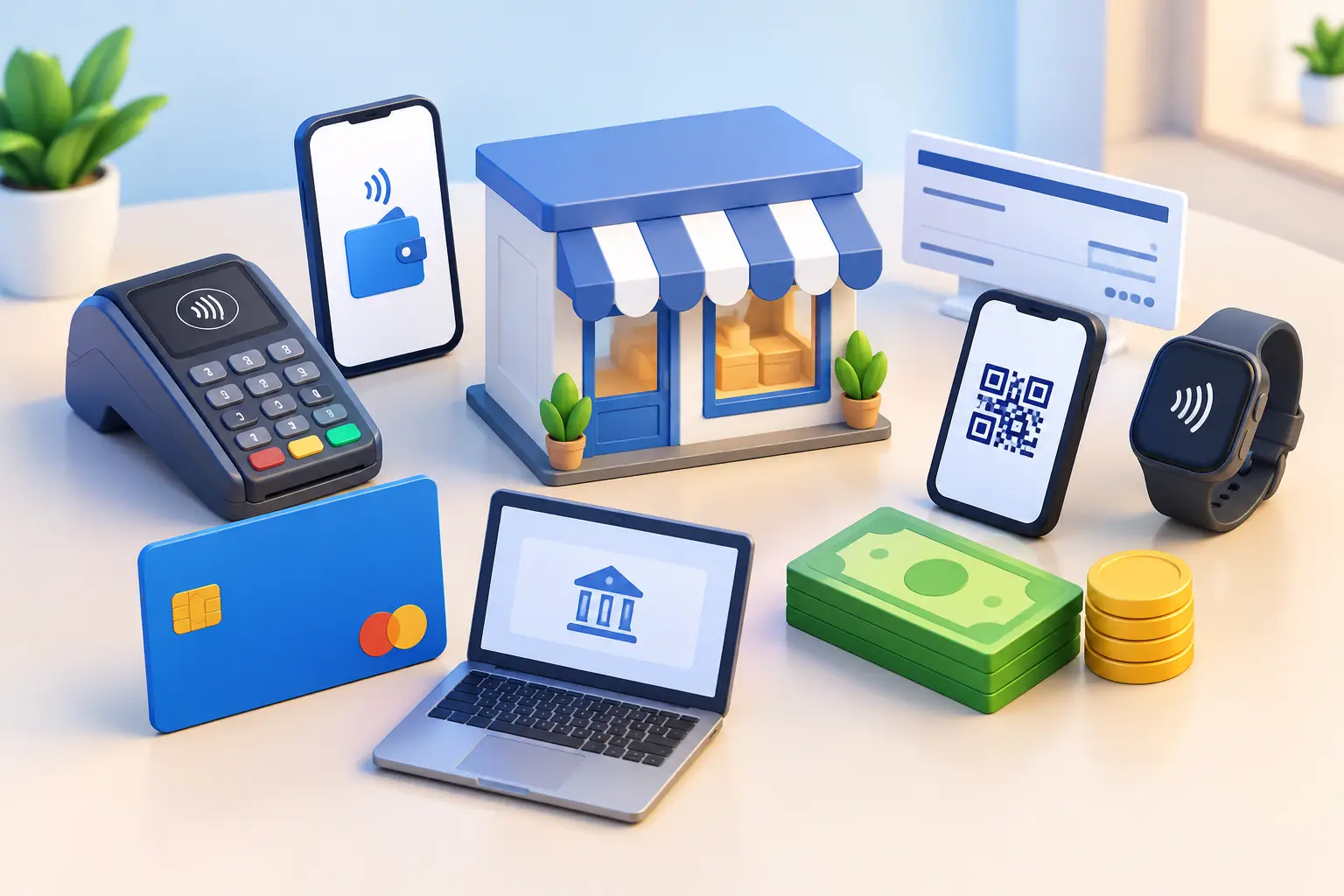
Customers compare every experience with the easiest companies they buy from. They do not expect a local business to operate like a giant corporation. They do expect basics to work: simple scheduling, prompt reminders, clear payment options, and a reliable way to get help.
Map your customer journey from first inquiry through repeat purchase. Look for handoffs, duplicate forms, and moments where the customer has to chase information. Remove the unnecessary steps first. The goal is not to build a complicated process. It is to make doing business with you feel easy.
4. Missed appointments and weak re-engagement
No-shows, canceled consultations, and customers who drift away are often treated as unavoidable. They are not always preventable, but many can be recovered with better communication.
A reminder sent the day before an appointment can reduce forgetfulness. A short message after a missed meeting can reopen the conversation. A timely check-in after a completed service can encourage repeat business before the customer moves on.
The timing matters. A generic message sent six months later may feel like an afterthought. A useful message sent at the natural next step in the customer lifecycle feels helpful. For example, a real estate professional can check in after a showing, while a wellness coach can follow up after the first week of a program.
5. Poor communication between your tools
Fragmented software creates a hidden retention problem. If your contact details live in one tool, bookings in another, invoices in a third, and messages in personal inboxes, important context gets lost. Customers end up repeating themselves, receiving irrelevant messages, or being overlooked entirely.
This is not just an operations issue. It affects the customer experience directly. A customer who receives a promotional email for a service they already bought may feel like a number. A customer whose booking change never reaches the right person may lose confidence quickly.
You do not need more software to solve this. In many cases, you need fewer disconnected systems and one reliable view of the customer. Consolidating communication, appointments, sales activity, and follow-up makes it easier to deliver a consistent experience while saving time and subscription costs.
6. Customers feel forgotten after the sale
Many businesses work hard before payment and go quiet afterward. That silence tells customers the relationship was transactional, even if that was not your intent.
A simple post-purchase sequence can change that. Confirm what happens next, share a useful tip, ask whether they have questions, and check in at the point when they are most likely to need help. For recurring customers, a renewal message should arrive before the relationship feels expired, not after it has already ended.
This does not mean sending constant promotions. Relevant communication builds loyalty. Excessive messaging can create churn too, particularly when customers receive offers that do not match their needs. Segment your audience based on what they purchased, where they are in the process, and what action would actually help them next.
7. You are not asking why customers leave
Assumptions are expensive. An owner may believe customers leave over price when the real issue is delayed communication. Another may add discounts when the actual problem is a confusing onboarding process.
Ask for feedback at meaningful moments: after a completed project, when a client cancels, or when a once-active customer goes quiet. Keep the question simple: What could we have done better? You will not get an answer every time, but recurring patterns will become clear.
Pair direct feedback with your own data. Look at missed appointments, response times, repeat purchase rates, canceled subscriptions, and stages where customers stop engaging. A pattern is more useful than a single complaint.
How to Reduce Churn Without Adding More Work
Start with one customer segment and one point of friction. If new leads often fail to book, improve the confirmation and reminder process. If first-time buyers never return, create a follow-up sequence that offers useful next steps. Trying to repair every part of the customer journey at once usually leads to more complexity and less progress.
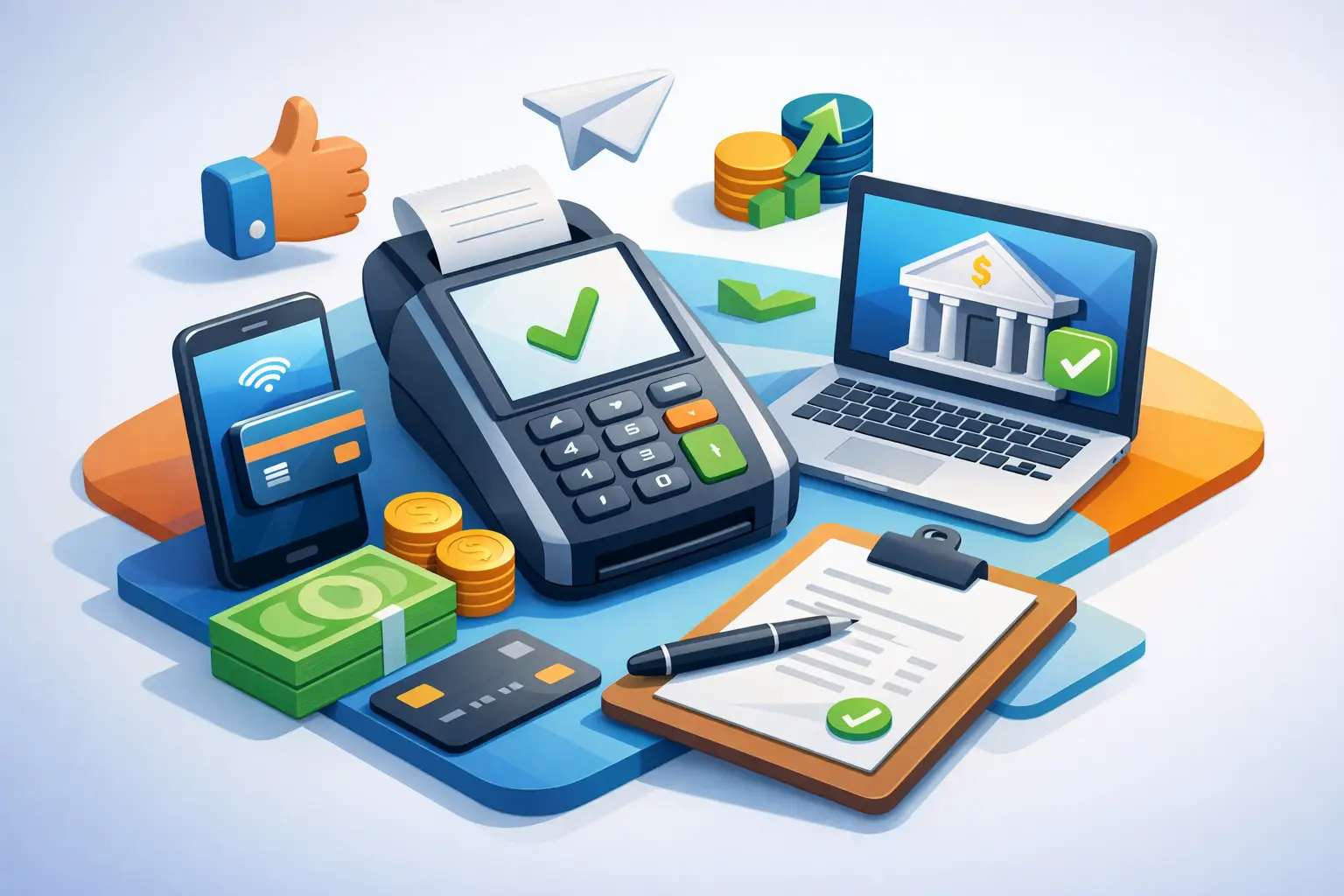
Then make retention work repeatable. Document the few messages and actions that should happen every time: the welcome message, appointment reminder, post-service check-in, review request, and reactivation outreach. These are ideal tasks for automation because consistency matters more than reinvention.
A platform such as TwiLead can help small businesses keep customer conversations, booking, follow-up, payments, and sales activity in one place. The business benefit is straightforward: fewer missed opportunities, less manual chasing, and a clearer path from first inquiry to repeat customer.
Watch the Warning Signs Before Customers Churn
Churn rarely arrives without signals. Watch for customers who stop opening messages, delay booking their next appointment, use less of a service, ask the same unresolved question, or go quiet after receiving a proposal. These behaviors do not always mean they are leaving, but they are a reason to reach out with something useful.
The best retention strategy is not a desperate save campaign at the end. It is a business that stays responsive, clear, and helpful throughout the relationship. When customers consistently feel seen and supported, they have far fewer reasons to look elsewhere.